Stephen Smith
Stephen Smith is a Kentucky and Tennessee-born gardener, educator, author, and photographer whose work blooms at the intersection of storytelling and seed saving. A lifelong steward of plants and words, he brings over two decades of experience in heirloom seed preservation, plant genetics, and biodiversity advocacy to both his writing and his gardens. Stephen holds a Bachelor's degree in Agriculture (Agronomy) from Austin Peay State University and a Master’s of Teaching in Secondary English and Science from the University of the Cumberlands — a pairing that reflects his deep-rooted belief in the power of education, expression, and environmental literacy.
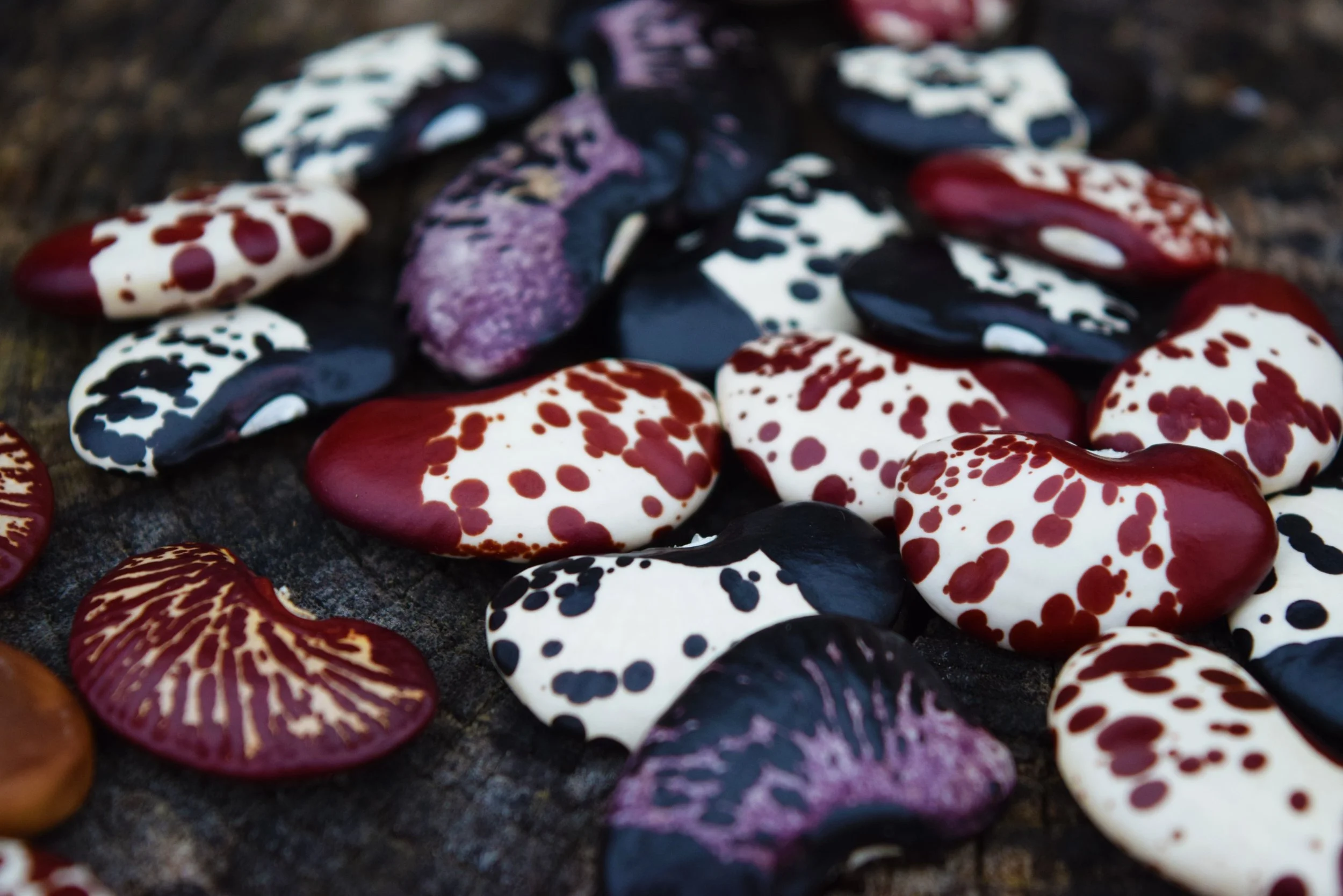
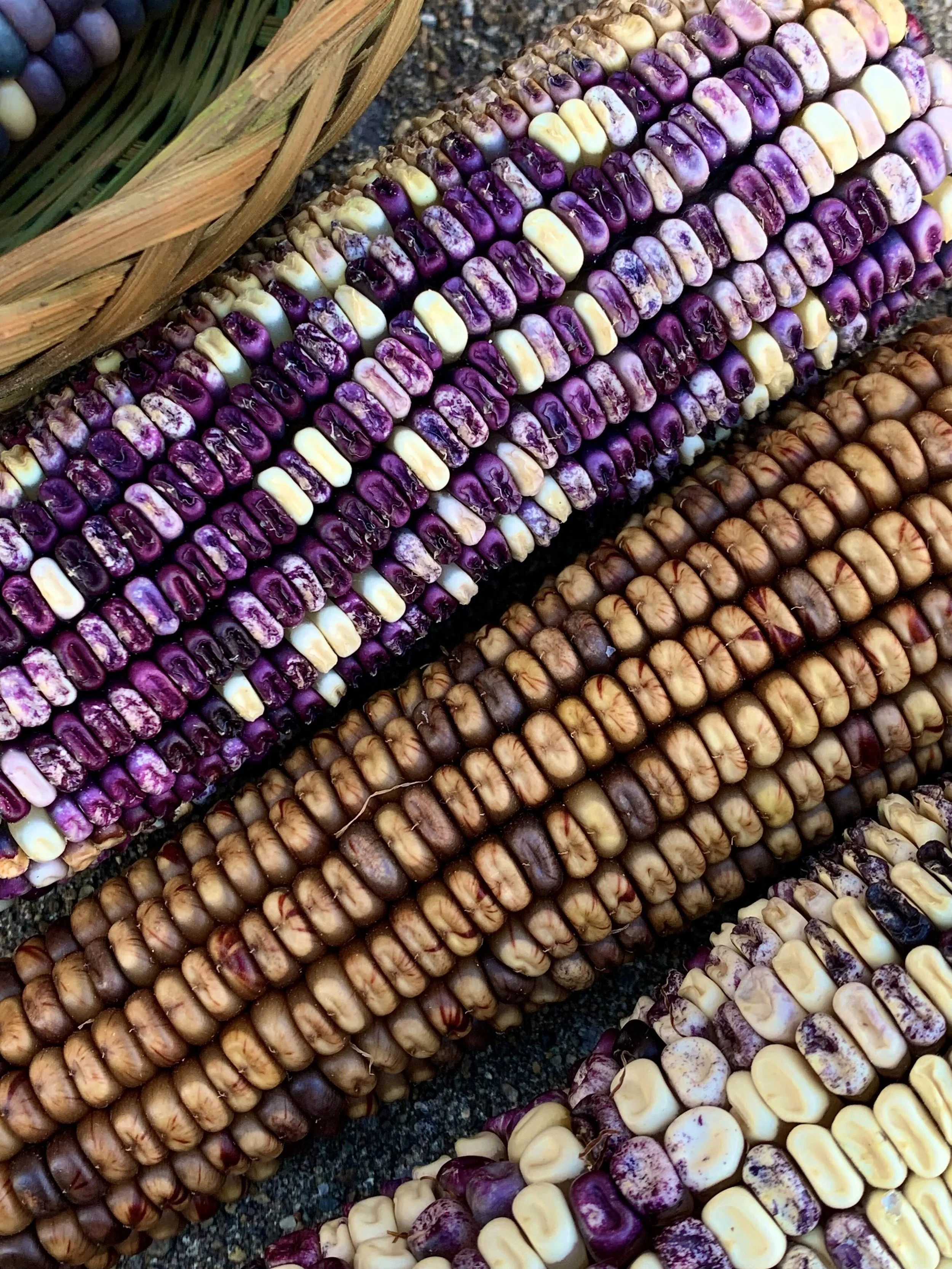
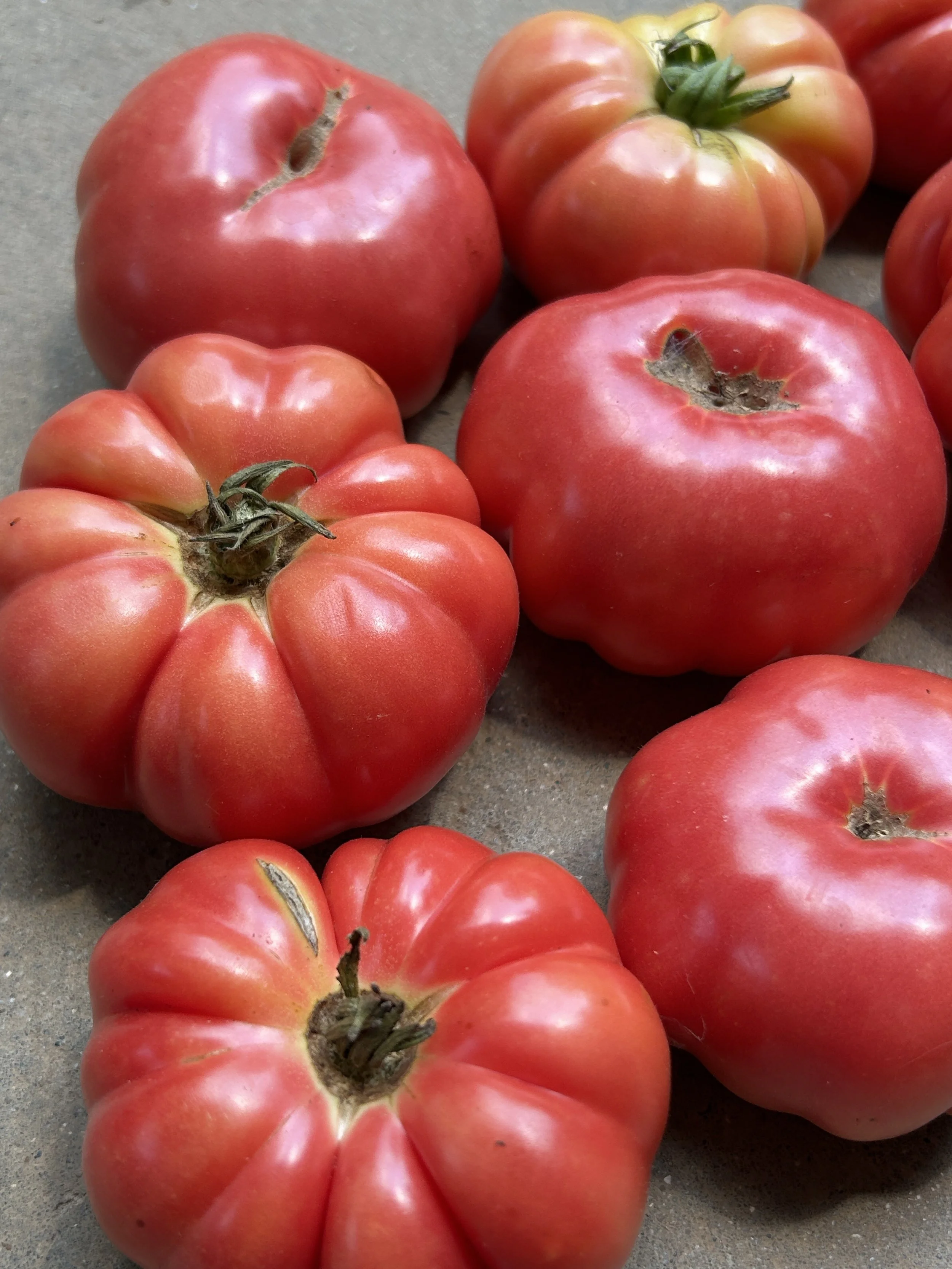
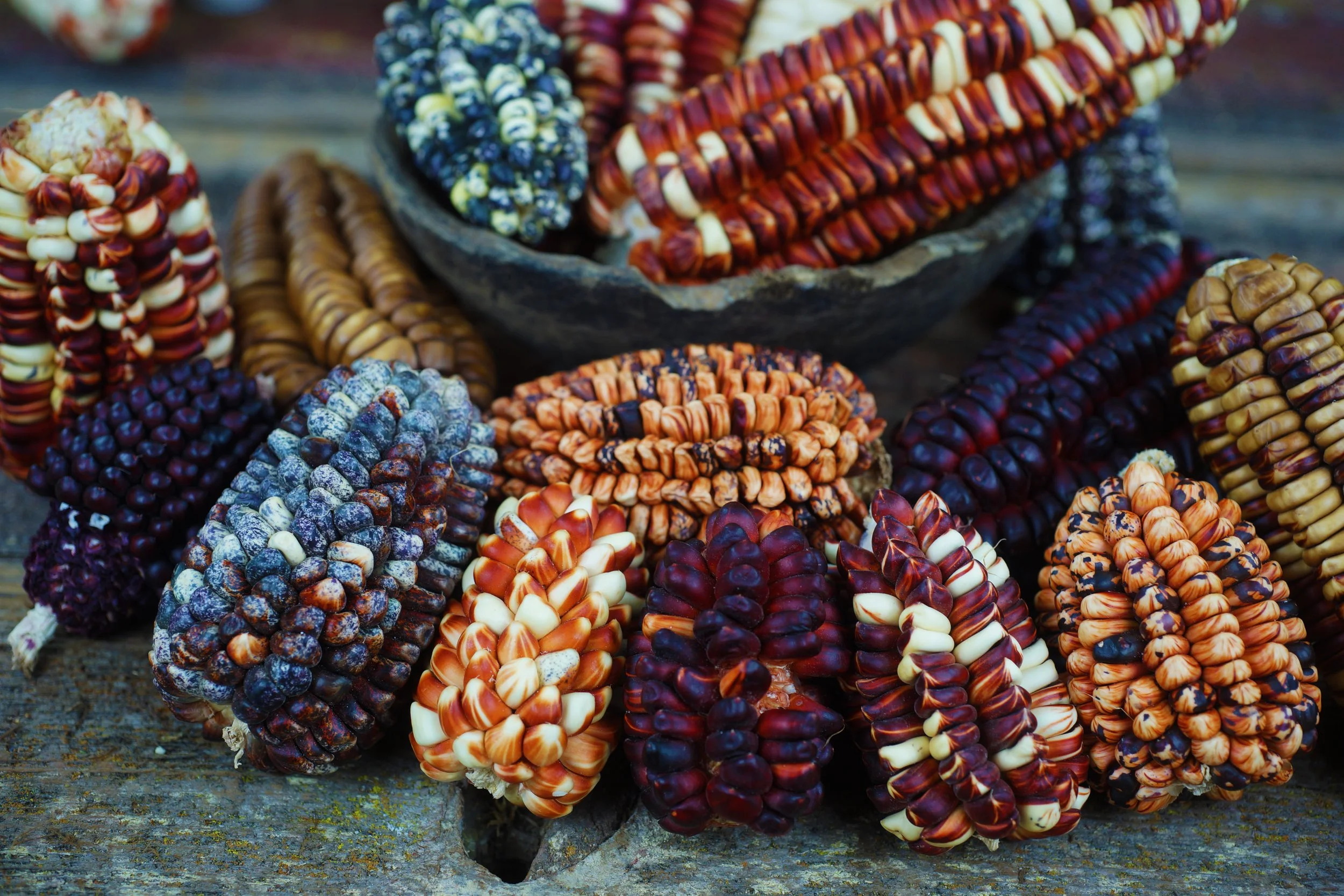
Stephen is the founder of a small heirloom seed company (The Divine Botanist) and has spent years cultivating rare, regionally adapted vegetable and flower varieties, many of which trace their origins to various indigenous nations and cultures around the globe.
As a writer, Stephen is drawn to stories that explore identity, emotional healing, the supernatural, and the sacred rhythms of the natural world. His creative work spans poetry, young adult fiction, supernatural drama, magical surrealism, and richly researched nonfiction. His current manuscripts explore themes of trauma, friendship, identity, relationships, the supernatural, spirits, and plant lore — often set in haunting Southern landscapes alive with memory and myth.
In addition to his literary work, Stephen is a passionate visual artist and photographer. His photographic lens is drawn to liminal spaces: forest edges, forgotten fields, the beauty of nature through flowers and plants, and the quiet dignity of rural life. He believes that both photography and writing serve as vessels for truth-telling, emotional transmutation, and place-based witnessing.
Stephen’s life’s work is rooted in reverence: for land, for language, and for the unseen stories that pulse between them.
My Philosophy
Seeds and stories come from the same place. Both are carried. Both are tended. Both ask us to listen.
Seeds and Stewardship
Seeds are living relationships. Many of the varieties I grow have been handed forward through families, tribal nations, and regional communities for generations. My role is to maintain these lineages with respect, patience, and accuracy. I do not work with GMO seed. Everything I grow is open-pollinated and selected in small batches. Each seed is hand-cleaned, hand-dried, and packed with attention to detail.
Preserving heirloom and landrace crops is an act of biodiversity care and cultural memory. I name origins whenever possible, acknowledge Indigenous agricultural heritage where appropriate, and understand myself as a steward rather than an owner. I am very protective of the seeds that have been passed down to me, for many reasons, probably evident to those of us in the seed world. Seed work is slow work, seasonal work, and relational work. It is not extractive. It is participatory. It continues through shared growth and shared responsibility.
Writing and Story
My writing grows from the same ground as my seedkeeping. I work with memory, place, lineage, and the quiet inner worlds that shape how we move through life. Literature becomes a field where emotion can be planted, examined, and transformed. I believe stories are how we learn to recognize ourselves. The land, regional history, and the unseen or half-remembered parts of personal experience are all present in my work.
I approach writing the same way I approach the garden. I pay attention to what has survived. I look for patterns and for what wants to grow. I let the story take form over time rather than forcing it into shape. A narrative should feel lived in rather than arranged. Writing is a conversation with time and with the self you used to be.
Place and Belonging
Both seeds and stories ask us to consider where we come from and where we are going. They mirror our connection to land, family, community, and ancestry. Working with them teaches patience, humility, and continuity. I do not believe in rushing toward outcomes. I believe in tending. I believe in returning to the work over and over.
My work in agriculture and literature follows the same values:
Respect for the histories that came before us
Attention to the present moment
Care for what we choose to carry into the future
This is ongoing work. It remains open. It continues through each season, each project, and each person who grows or reads something I have tended.
Thank you for being part of this.