 Image 1 of 3
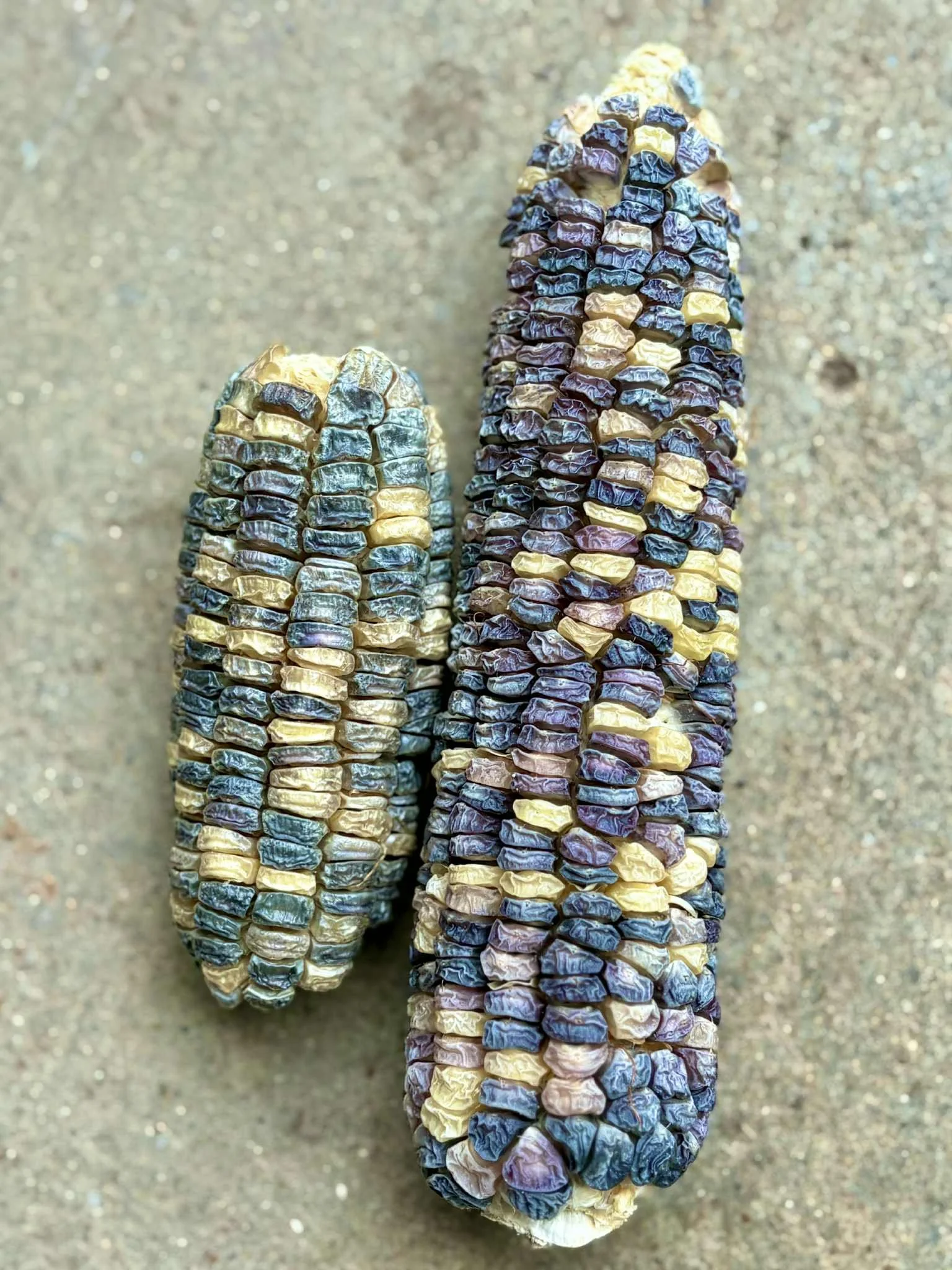 Image 2 of 3
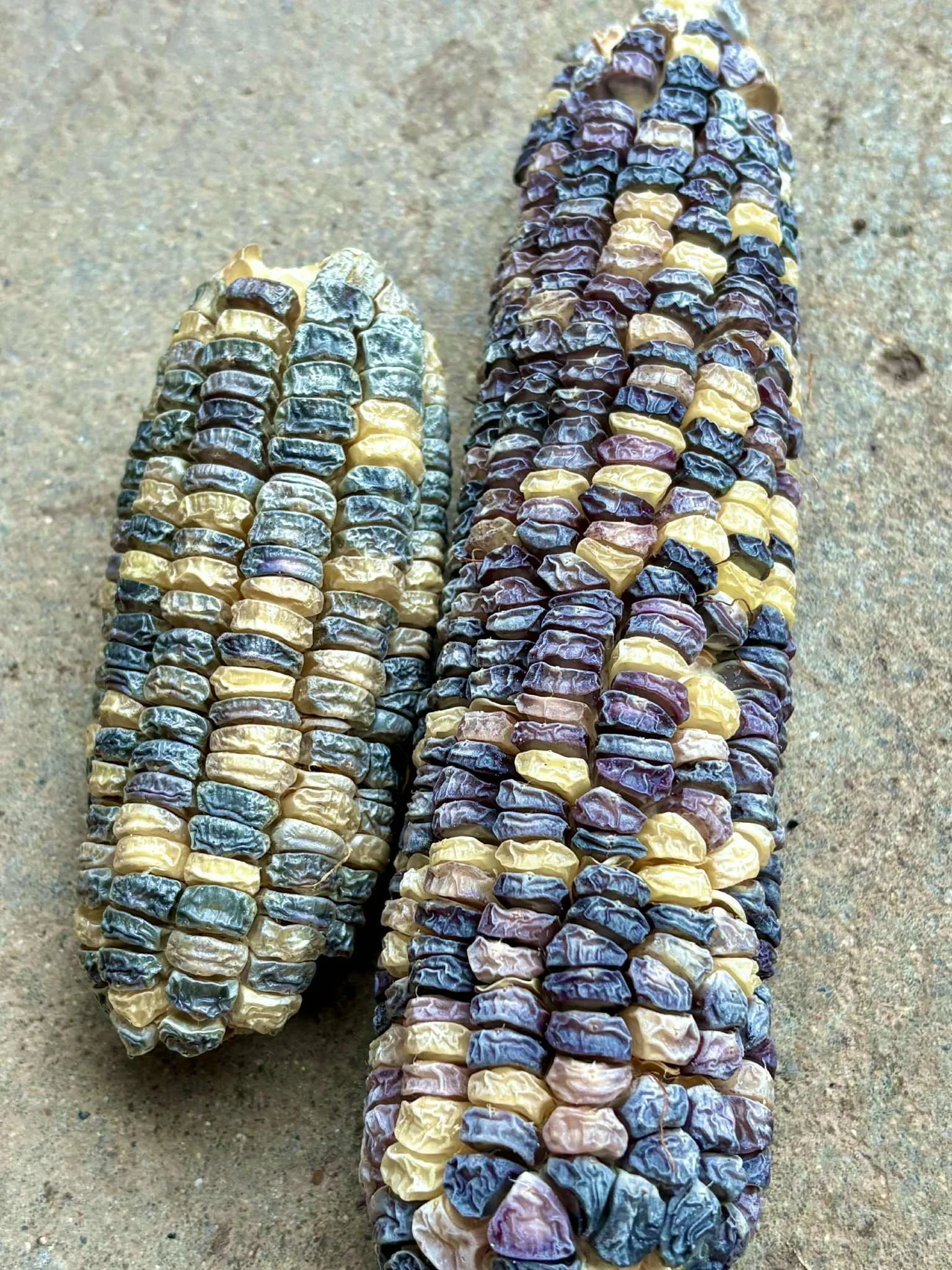 Image 3 of 3
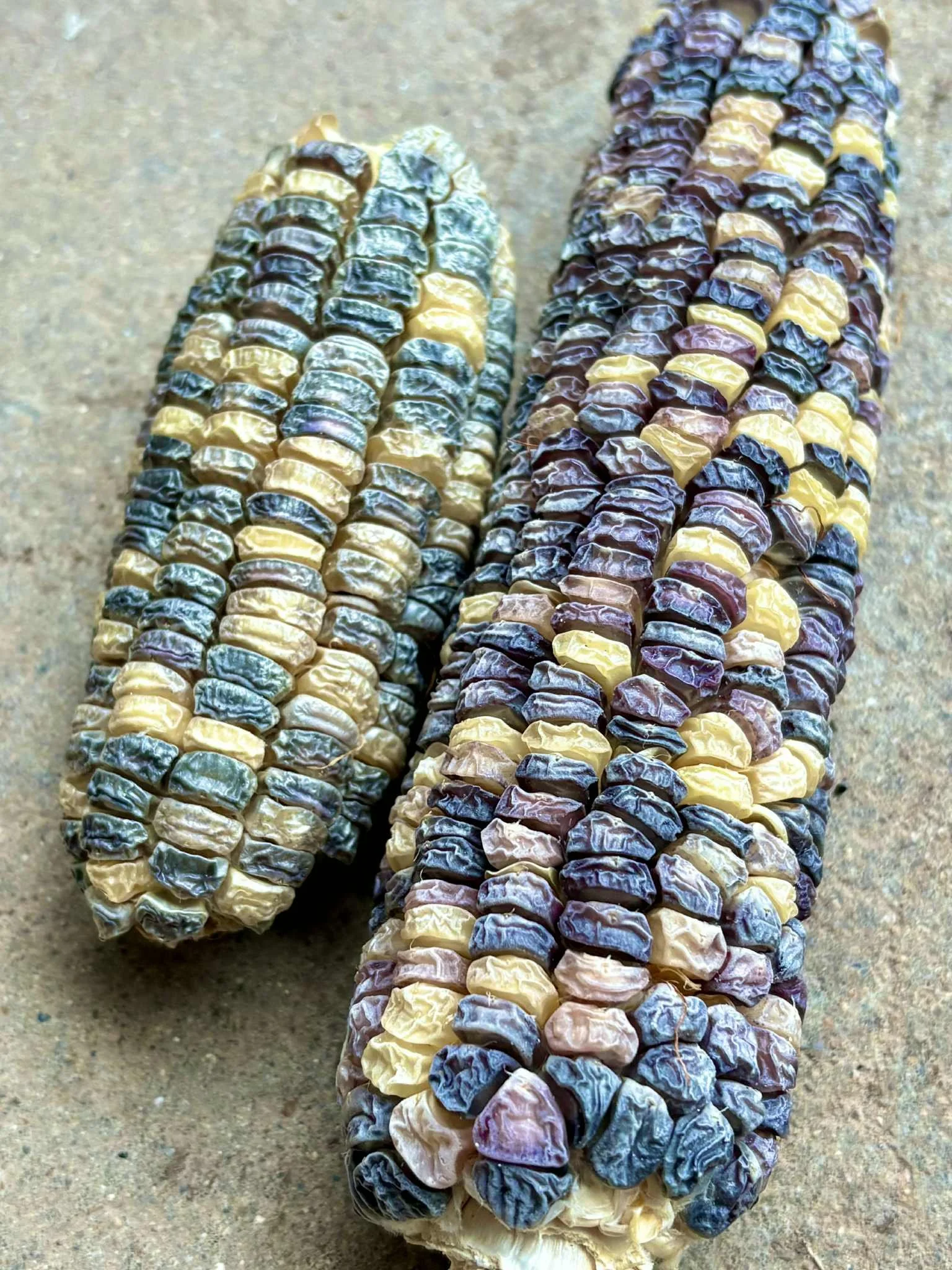
A heritage sweet corn variety tied to the agricultural traditions of the Lenape (Delaware) people of the Eastern Woodlands. Known in Lenape language sources as Psindamocan, this corn was historically used not only as fresh sweet corn but also for making a caramelized parched flour—“psindamocan” bread—trusted as a durable food form in winter stores.
Through the dedicated work of Gladys Tantaquidgeon (1899-2005), Mohegan medicine woman and ethnologist, certain blue sweet-corn types preserved by Lenape seedkeepers were documented and passed onward into modern seed-heritage systems. This variety carries that legacy: plants approximately 6–8 feet tall, producing well-filled ears of sweet corn for fresh eating, and when left to dry, kernels that transition toward the traditional parched form or can be ground into a sweetener/meal.
Days to maturity: ~60-70 days for the sweet-corn “milk stage”; full-seed drying may extend to 100+ days depending on conditions.
Seeds per pack: ~60 seeds (seed label mis-print)
Germination rate: 90% (10/15/2025)
Sow seeds in warm soil (soil ≥ 65 °F) after the last frost. Plant 1 inch deep, spacing 8–12 inches apart within a row, with rows 30–36 inches apart. For best pollination, plant in blocks of 3-4 adjacent rows. As a sweet-corn type, harvest when ears are tender and kernels milky for fresh use. If you intend to make a parched-flour style (psindamocan), allow ears to mature fully and dry on the stalk or in a ventilated space until kernels harden and rattle.
Corn (Zea mays) is wind-pollinated. To maintain the integrity of this Lenape heirloom line, isolate your planting from other corn types by at least ¼ mile or offset tasseling dates. Select fully matured ears typical of the variety (well-filled, true kernel color and shape). Allow the husks to dry on the plant as long as possible; finish drying indoors if weather threatens. Shell clean seed and store in a cool, dark, dry place—viability remains high for 3-5 years when stored well.
A heritage sweet corn variety tied to the agricultural traditions of the Lenape (Delaware) people of the Eastern Woodlands. Known in Lenape language sources as Psindamocan, this corn was historically used not only as fresh sweet corn but also for making a caramelized parched flour—“psindamocan” bread—trusted as a durable food form in winter stores.
Through the dedicated work of Gladys Tantaquidgeon (1899-2005), Mohegan medicine woman and ethnologist, certain blue sweet-corn types preserved by Lenape seedkeepers were documented and passed onward into modern seed-heritage systems. This variety carries that legacy: plants approximately 6–8 feet tall, producing well-filled ears of sweet corn for fresh eating, and when left to dry, kernels that transition toward the traditional parched form or can be ground into a sweetener/meal.
Days to maturity: ~60-70 days for the sweet-corn “milk stage”; full-seed drying may extend to 100+ days depending on conditions.
Seeds per pack: ~60 seeds (seed label mis-print)
Germination rate: 90% (10/15/2025)
Sow seeds in warm soil (soil ≥ 65 °F) after the last frost. Plant 1 inch deep, spacing 8–12 inches apart within a row, with rows 30–36 inches apart. For best pollination, plant in blocks of 3-4 adjacent rows. As a sweet-corn type, harvest when ears are tender and kernels milky for fresh use. If you intend to make a parched-flour style (psindamocan), allow ears to mature fully and dry on the stalk or in a ventilated space until kernels harden and rattle.
Corn (Zea mays) is wind-pollinated. To maintain the integrity of this Lenape heirloom line, isolate your planting from other corn types by at least ¼ mile or offset tasseling dates. Select fully matured ears typical of the variety (well-filled, true kernel color and shape). Allow the husks to dry on the plant as long as possible; finish drying indoors if weather threatens. Shell clean seed and store in a cool, dark, dry place—viability remains high for 3-5 years when stored well.