 Image 1 of 3
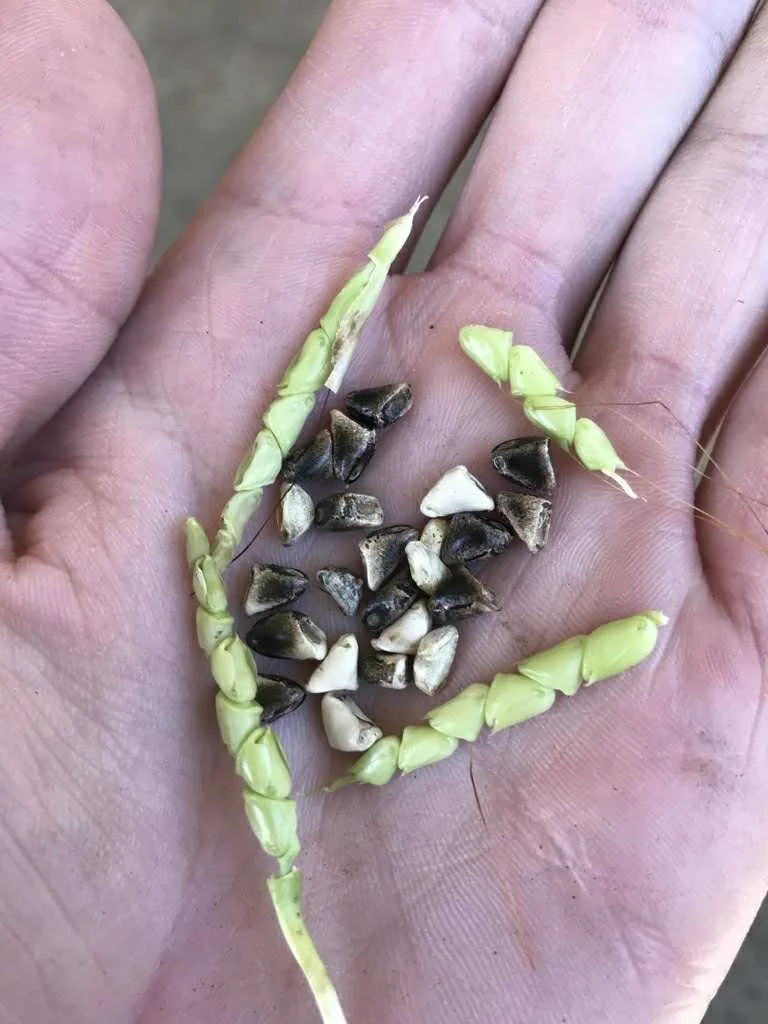 Image 2 of 3
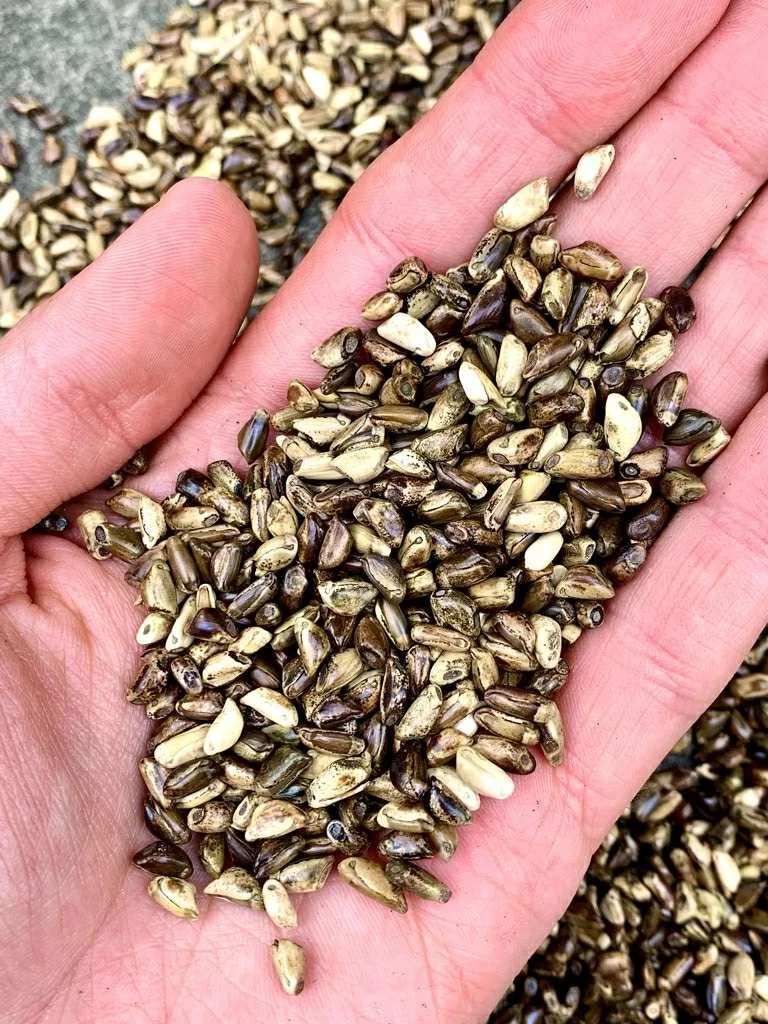 Image 3 of 3
Native to the river valleys of southern and western Mexico, Zea mays parviglumis is the wild annual grass from which all modern corn descends. This species, still found growing naturally from Nayarit to Oaxaca, represents one of the oldest living links between cultivated maize and its wild ancestor.
Roughly 9,000 years ago in the Balsas River Valley, Indigenous farmers began the slow, patient process of domestication—selecting for traits that would eventually give rise to maize as we know it today. As domesticated corn spread across Mesoamerica, it continued to exchange genes with other regional teosintes, such as Zea mays mexicana in northwestern Mexico, shaping the diversity that defines maize today.
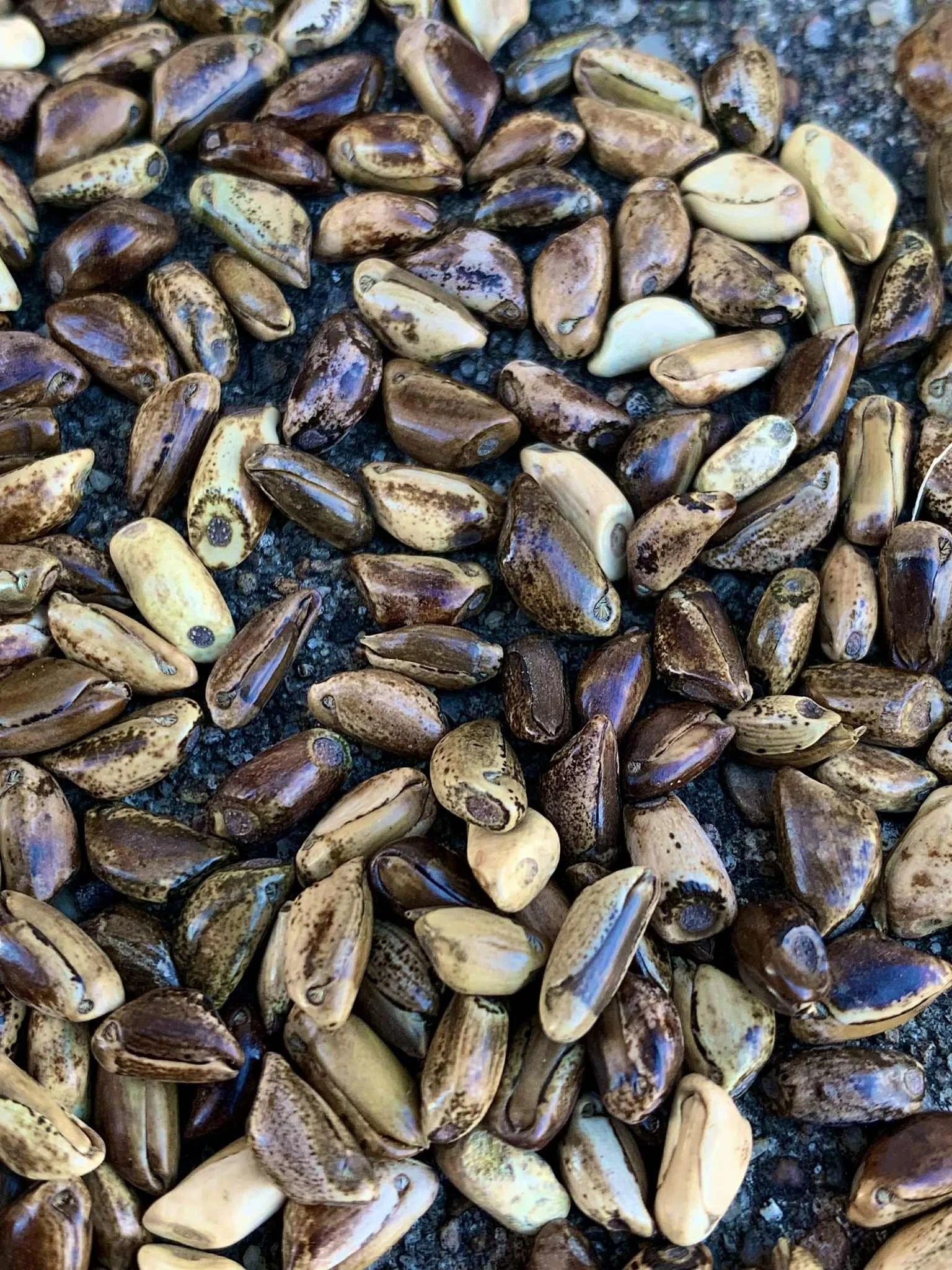
In form, parviglumis resembles a wilder cousin of corn: upright yet branching, often bushier than its domesticated kin, with many tillers and slender leaves. It produces tassels and silks just as maize does, but its ears are small—2 to 3 inches long—with a single row of triangular, sharply pointed seeds. Each seed is tightly enclosed in a hard fruitcase that helps it endure in wild landscapes. These structures are reminders of its adaptation to natural cycles of fire, flood, and animal disturbance.
Teosinte is a short-day annual, meaning flowering begins as daylight hours shorten—typically late summer into fall. Depending on your climate and location, you may or may not get ears!
Days to maturity: 120–200
Seeds per pack: ~60 seeds
Germination rate: 92% (10/15/2025)
Sow directly outdoors after all danger of frost, once the soil has thoroughly warmed. Space plants 8–12 inches apart in blocks rather than rows to encourage pollination. Teosinte prefers full sun and rich, well-drained soil, though it will tolerate leaner ground. Plants grow 6–10 feet tall, developing many branches from the base. Flowering and seed production are triggered by shortening day length, so sowing before midsummer ensures proper timing.
Allow ears to fully mature and dry on the plant before harvest. The fruitcases surrounding each seed will harden considerably as they ripen; this is a natural protective adaptation. Once dry, strip ears and store whole, or carefully shell using light pressure to avoid damaging the enclosed kernels. Keep seeds in a cool, dry place with low humidity. Zea mays parviglumis will cross-pollinate readily with cultivated corn (Zea mays mays), so if purity is desired, isolate by at least ½ mile or time plantings to prevent overlap in pollen release. Properly dried and stored teosinte seed remains viable for four to five years.
Native to the river valleys of southern and western Mexico, Zea mays parviglumis is the wild annual grass from which all modern corn descends. This species, still found growing naturally from Nayarit to Oaxaca, represents one of the oldest living links between cultivated maize and its wild ancestor.
Roughly 9,000 years ago in the Balsas River Valley, Indigenous farmers began the slow, patient process of domestication—selecting for traits that would eventually give rise to maize as we know it today. As domesticated corn spread across Mesoamerica, it continued to exchange genes with other regional teosintes, such as Zea mays mexicana in northwestern Mexico, shaping the diversity that defines maize today.
In form, parviglumis resembles a wilder cousin of corn: upright yet branching, often bushier than its domesticated kin, with many tillers and slender leaves. It produces tassels and silks just as maize does, but its ears are small—2 to 3 inches long—with a single row of triangular, sharply pointed seeds. Each seed is tightly enclosed in a hard fruitcase that helps it endure in wild landscapes. These structures are reminders of its adaptation to natural cycles of fire, flood, and animal disturbance.
Teosinte is a short-day annual, meaning flowering begins as daylight hours shorten—typically late summer into fall. Depending on your climate and location, you may or may not get ears!
Days to maturity: 120–200
Seeds per pack: ~60 seeds
Germination rate: 92% (10/15/2025)
Sow directly outdoors after all danger of frost, once the soil has thoroughly warmed. Space plants 8–12 inches apart in blocks rather than rows to encourage pollination. Teosinte prefers full sun and rich, well-drained soil, though it will tolerate leaner ground. Plants grow 6–10 feet tall, developing many branches from the base. Flowering and seed production are triggered by shortening day length, so sowing before midsummer ensures proper timing.
Allow ears to fully mature and dry on the plant before harvest. The fruitcases surrounding each seed will harden considerably as they ripen; this is a natural protective adaptation. Once dry, strip ears and store whole, or carefully shell using light pressure to avoid damaging the enclosed kernels. Keep seeds in a cool, dry place with low humidity. Zea mays parviglumis will cross-pollinate readily with cultivated corn (Zea mays mays), so if purity is desired, isolate by at least ½ mile or time plantings to prevent overlap in pollen release. Properly dried and stored teosinte seed remains viable for four to five years.