 Image 1 of 3
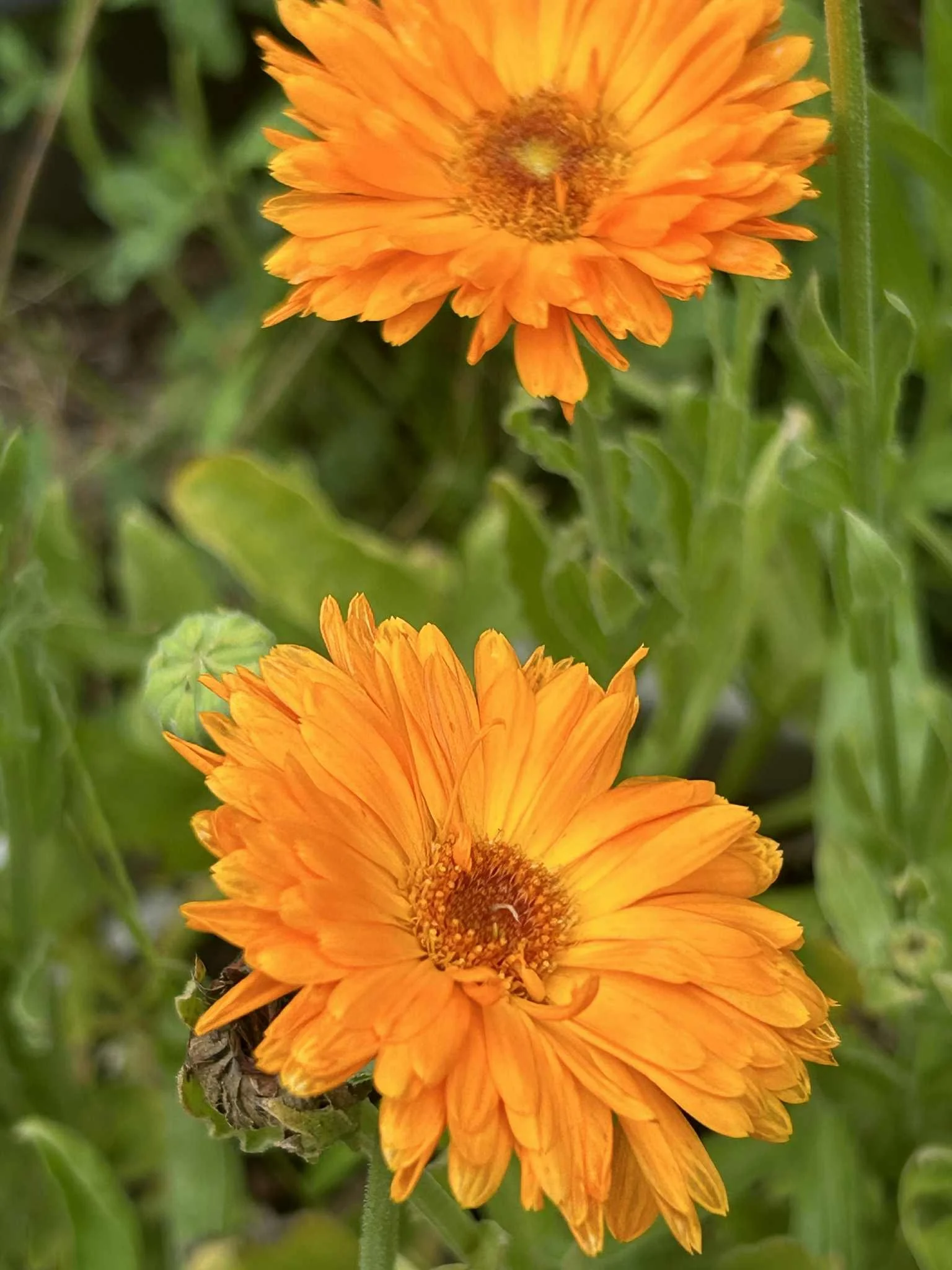 Image 2 of 3
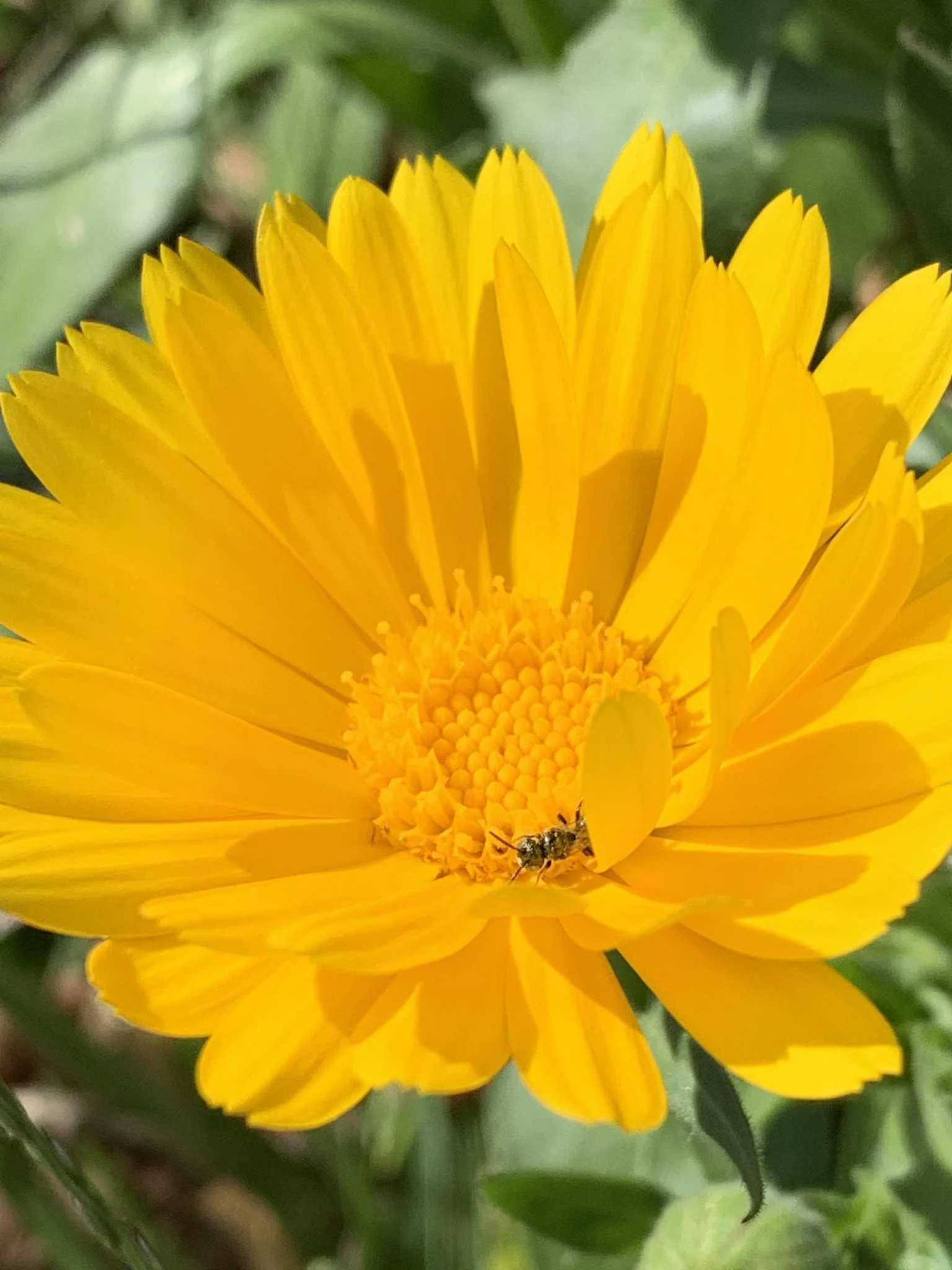 Image 3 of 3
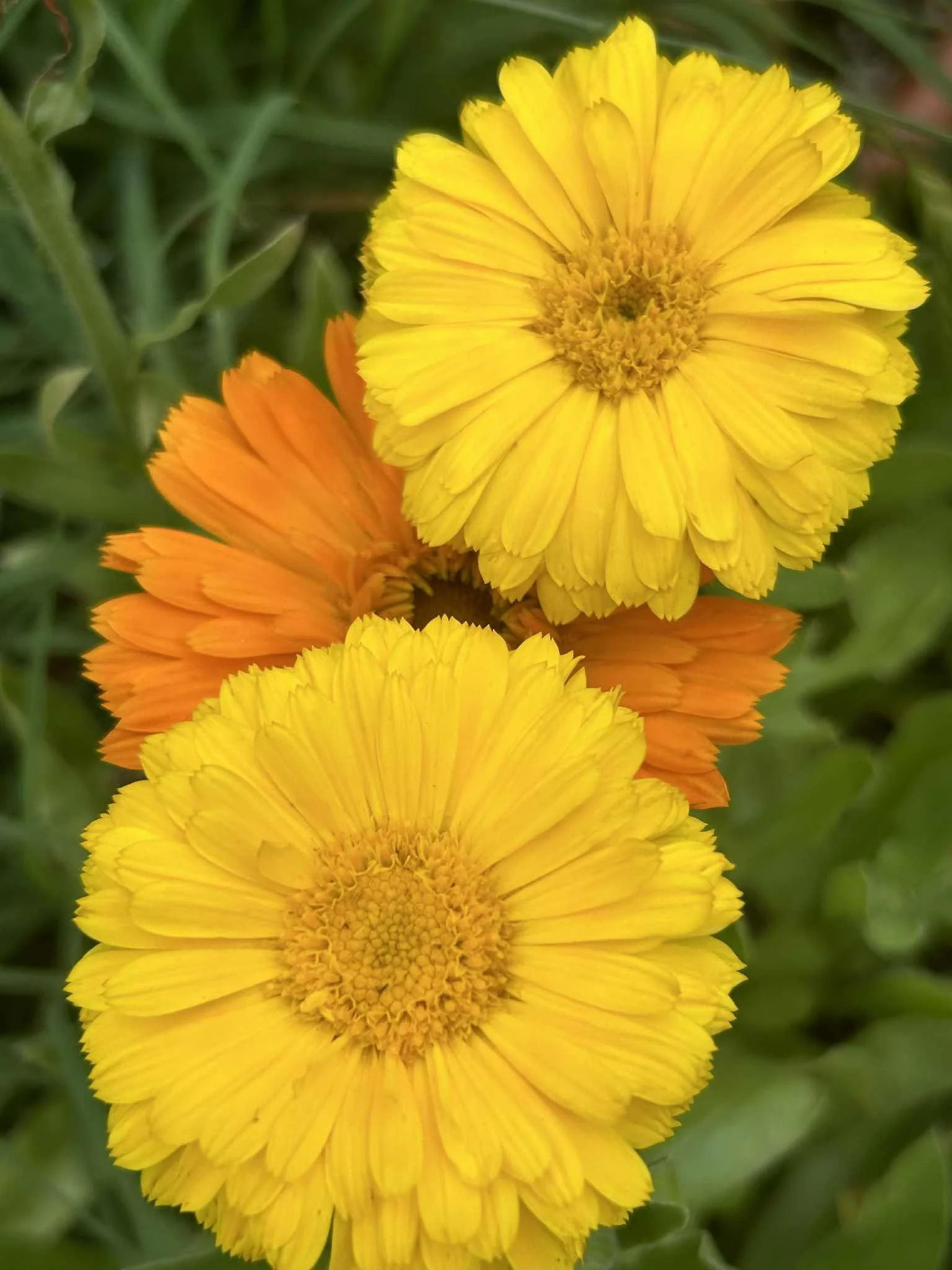
A beloved medicinal and culinary herb native to the Mediterranean and long cultivated in monastery, cottage, and kitchen gardens, calendula has been grown for centuries for its vivid blooms and its healing properties. This is a genetically diverse open-pollinated mix in shades of gold, yellow, orange — each plant a subtle variation of the same warm, uplifting lineage.
Calendula is rich in resins and carotenoids, concentrated especially in the petals and green bases of the flower heads. These compounds make it a cherished herb for skin repair, supporting the body’s ability to soften inflammation, encourage healthy tissue formation, and soothe mild scrapes, burns, and chapped skin.
The petals are edible — and were historically used as a “poor man’s saffron” to tint broths, butter, cheese, and rice dishes a warm golden color. Their flavor is bright, slightly peppery, and mild enough to use fresh in salads or dried to steep into teas.
Days to maturity: 55–70
Seeds per pack: ~1/4tsp.
Germination rate: 92% 10/15/2025 (tested 12/19/2024)
Direct-sow after frost or start indoors and transplant when the soil warms. Plant seeds ¼–½ inch deep and space 10–12 inches apart. Calendula thrives in full sun to partial sun, and blooms continuously when regularly cut or deadheaded.
The more you harvest, the more it flowers — making it an excellent cut flower, pollinator plant, and kitchen herb.
Calendula also self-sows gently when allowed, returning in soft, welcoming patterns across the garden.
The petals (not the tough green base) may be:
Dried for tea
Infused into oil for salves and balms
Added fresh to salads and soups
Used dried to color rice, butter, or bread
To retain the highest medicinal resin content, harvest flowers in the morning after dew has dried, and dry quickly in moving air, out of direct light.
Calendula is insect-pollinated and readily crosses among its own color forms, which is part of the joy of growing it. To save seed, allow flower heads to dry on the plant until they form curled, hooked, crescent-shaped seeds. Collect when dry and store in a cool, dark, dry place. Seed remains viable 3–6 years.
If maintaining a particular shade or form, save seed only from those plants and remove spent blooms from others.
A beloved medicinal and culinary herb native to the Mediterranean and long cultivated in monastery, cottage, and kitchen gardens, calendula has been grown for centuries for its vivid blooms and its healing properties. This is a genetically diverse open-pollinated mix in shades of gold, yellow, orange — each plant a subtle variation of the same warm, uplifting lineage.
Calendula is rich in resins and carotenoids, concentrated especially in the petals and green bases of the flower heads. These compounds make it a cherished herb for skin repair, supporting the body’s ability to soften inflammation, encourage healthy tissue formation, and soothe mild scrapes, burns, and chapped skin.
The petals are edible — and were historically used as a “poor man’s saffron” to tint broths, butter, cheese, and rice dishes a warm golden color. Their flavor is bright, slightly peppery, and mild enough to use fresh in salads or dried to steep into teas.
Days to maturity: 55–70
Seeds per pack: ~1/4tsp.
Germination rate: 92% 10/15/2025 (tested 12/19/2024)
Direct-sow after frost or start indoors and transplant when the soil warms. Plant seeds ¼–½ inch deep and space 10–12 inches apart. Calendula thrives in full sun to partial sun, and blooms continuously when regularly cut or deadheaded.
The more you harvest, the more it flowers — making it an excellent cut flower, pollinator plant, and kitchen herb.
Calendula also self-sows gently when allowed, returning in soft, welcoming patterns across the garden.
The petals (not the tough green base) may be:
Dried for tea
Infused into oil for salves and balms
Added fresh to salads and soups
Used dried to color rice, butter, or bread
To retain the highest medicinal resin content, harvest flowers in the morning after dew has dried, and dry quickly in moving air, out of direct light.
Calendula is insect-pollinated and readily crosses among its own color forms, which is part of the joy of growing it. To save seed, allow flower heads to dry on the plant until they form curled, hooked, crescent-shaped seeds. Collect when dry and store in a cool, dark, dry place. Seed remains viable 3–6 years.
If maintaining a particular shade or form, save seed only from those plants and remove spent blooms from others.