 Image 1 of 2
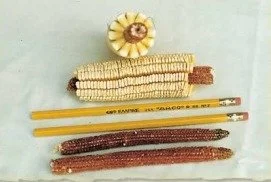 Image 2 of 2
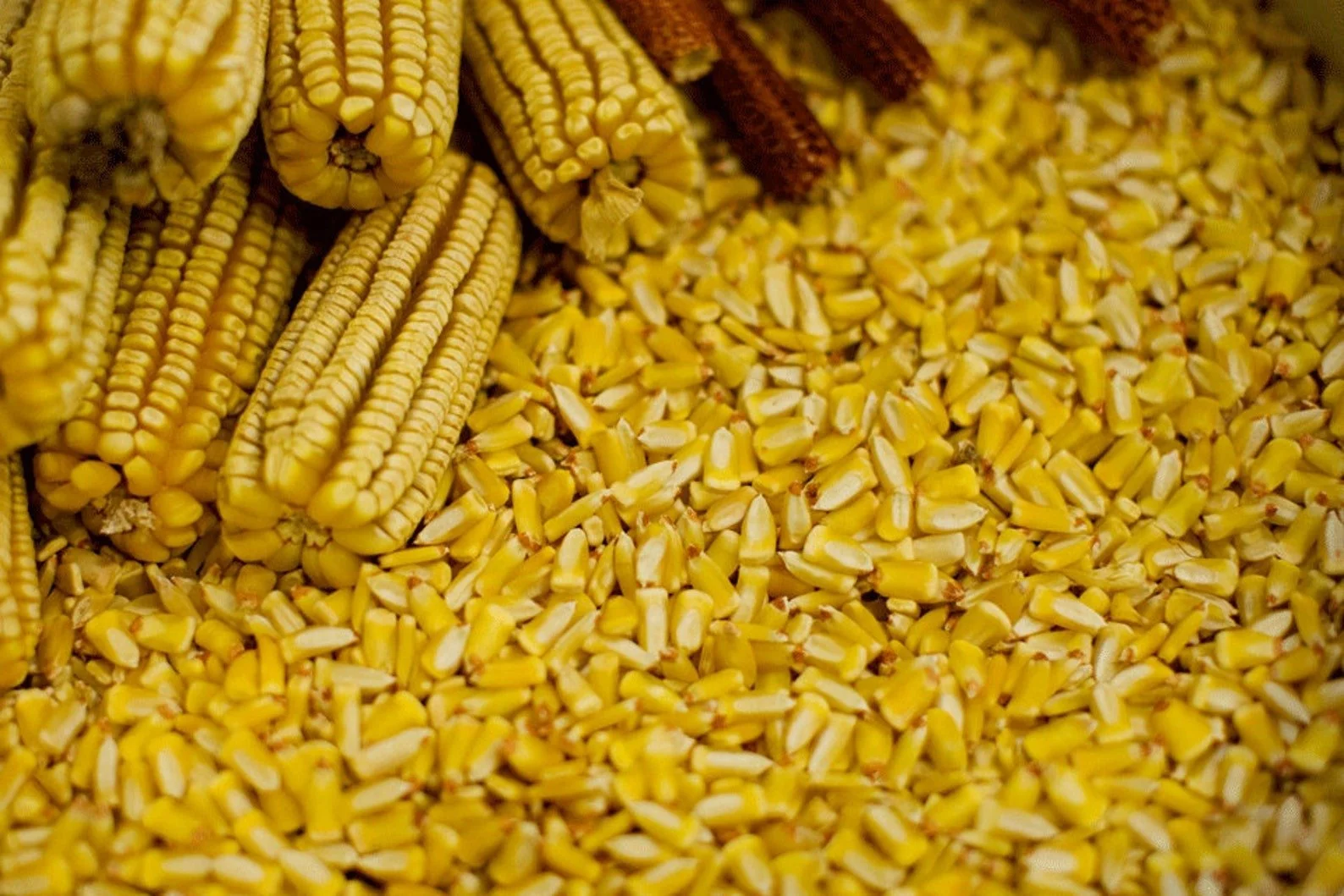
A distinctive heritage dent corn, Pencil Cob earns its name from the exceptionally narrow cobs—often no thicker than a pencil in diameter—bearing deep-kernel ears that carry both history and utility. This old “shoe-peg” type corn traces its origins to the Southern United States and is documented as a pre-1900 heirloom variety.
In its early 19th and 20th-century use, farmers valued Pencil Cob for its versatility: harvested young it served as a roasting ear or creamed corn; left to mature it became meal, grits or livestock feed. According to one seed-archive description, “Although now relatively rare, this old ‘shoepeg type’ dent corn variety pre-dates 1900. ‘Pencil Cob’ is a very flavorful roasting ear corn variety… plants grow 5-6 feet tall and produce 2-3 ears per stalk.”
The narrow-cob form links to the earlier “gourdseed” corns of the colonial era—a class of dent corn characterized by long rows of thin deep kernels and cobs of minimal diameter, descended from Mexican race Pepitilla.
Days to maturity: ~75-100 days for milk-stage use; full grain stage ~90-110 days.
Seeds per pack: ~70 seeds
Germination rate: 90% 10/15/2025
Planting & Harvest Notes
Sow seeds in warm soil (≥ 65 °F) after frost risk has passed. Plant about 1 inch deep, spacing seeds ~3-4 inches apart and thin plants to ~8-12 inches apart; rows may be spaced 24-30 inches. For best pollination, plant in a block of at least 3-4 rows. The plants reach 5-6 feet tall under ideal conditions and bear 2-3 ears per stalk. Harvest early (milk-stage) if you want roasting ears or creamed corn; or allow full maturity and dry down for meal, grits or feed. victoryseeds.com+1
Corn is wind-pollinated. To maintain the purity of Pencil Cob Corn, isolate by at least ¼ mile (or use temporal isolation) from other corn varieties. Select ears characteristic of the narrow cob, long kernels and good fill. Let ears fully dry on the stalk until husks are papery and kernels hard. Finish drying indoors if needed, then shell carefully and store in a cool, dry, dark place. Properly stored seed remains viable for 3-5 years.
A distinctive heritage dent corn, Pencil Cob earns its name from the exceptionally narrow cobs—often no thicker than a pencil in diameter—bearing deep-kernel ears that carry both history and utility. This old “shoe-peg” type corn traces its origins to the Southern United States and is documented as a pre-1900 heirloom variety.
In its early 19th and 20th-century use, farmers valued Pencil Cob for its versatility: harvested young it served as a roasting ear or creamed corn; left to mature it became meal, grits or livestock feed. According to one seed-archive description, “Although now relatively rare, this old ‘shoepeg type’ dent corn variety pre-dates 1900. ‘Pencil Cob’ is a very flavorful roasting ear corn variety… plants grow 5-6 feet tall and produce 2-3 ears per stalk.”
The narrow-cob form links to the earlier “gourdseed” corns of the colonial era—a class of dent corn characterized by long rows of thin deep kernels and cobs of minimal diameter, descended from Mexican race Pepitilla.
Days to maturity: ~75-100 days for milk-stage use; full grain stage ~90-110 days.
Seeds per pack: ~70 seeds
Germination rate: 90% 10/15/2025
Planting & Harvest Notes
Sow seeds in warm soil (≥ 65 °F) after frost risk has passed. Plant about 1 inch deep, spacing seeds ~3-4 inches apart and thin plants to ~8-12 inches apart; rows may be spaced 24-30 inches. For best pollination, plant in a block of at least 3-4 rows. The plants reach 5-6 feet tall under ideal conditions and bear 2-3 ears per stalk. Harvest early (milk-stage) if you want roasting ears or creamed corn; or allow full maturity and dry down for meal, grits or feed. victoryseeds.com+1
Corn is wind-pollinated. To maintain the purity of Pencil Cob Corn, isolate by at least ¼ mile (or use temporal isolation) from other corn varieties. Select ears characteristic of the narrow cob, long kernels and good fill. Let ears fully dry on the stalk until husks are papery and kernels hard. Finish drying indoors if needed, then shell carefully and store in a cool, dry, dark place. Properly stored seed remains viable for 3-5 years.