 Image 1 of 1
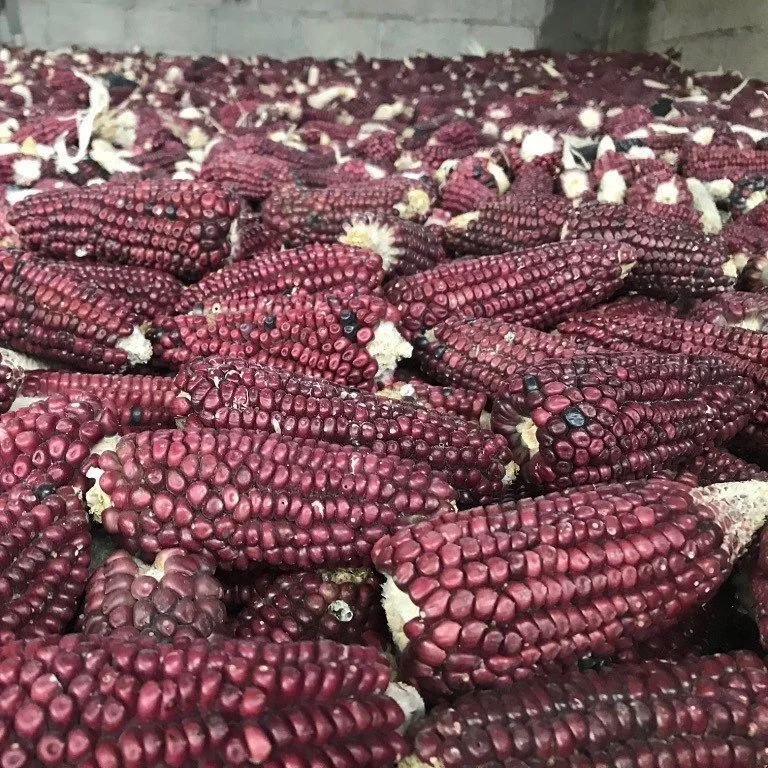
A pre-Columbian heirloom from the Central Highlands of Mexico, Pink Maíz Cónico is one of the most ancient and visually striking races of maize still cultivated today. The name Cónico—meaning conical—refers to its distinct, tapering ears, which narrow evenly from base to tip. This race has long been grown across the Central Mesa and high plateaus of Mexico, Tlaxcala, Puebla, and Michoacán, thriving in the cool, elevated valleys between 2,200 and 2,800 meters above sea level.
Its lineage traces back thousands of years, formed through the natural hybridization of two ancestral Mexican maize races: Palomero Toluqueño, known for its early maturity and flinty texture, and Cacahuacintle, famous for its large, soft kernels used in traditional pozole. Archaeological remains at Teotihuacán and impressions preserved in volcanic stone near Morelia confirm that Cónico maize existed long before European contact—making it one of the enduring pillars of Indigenous agriculture in Mesoamerica.
Plants are short to medium in stature, averaging about 1.7 meters tall, with few tillers and coarse, leathery leaves. The conical ears measure 5–7 inches, typically with 14–18 rows of kernels that range from pale blush to deep rose, sometimes with a cream or ivory sheen. Kernels are firm yet floury, ideal for nixtamalization, grinding into masa, or parching. The pink pigmentation—expressed through both pericarp and aleurone—is natural and rich in anthocyanins, giving the dough a delicate pastel tone when prepared.
Historically, Cónico was/is the chief maize of the Central Plateau, grown during the rainy season and serving as the foundation for rural foodways: tortillas, tamales, atole, and ceremonial breads. Its resilience to highland rust and variable weather continues to make it a favored landrace among smallholders in central Mexico.
Days to maturity: 110–130
Seeds per pack: ~50 seeds
Germination rate: 90% (10/15/2025)
Planting & Growth Notes
Plant after danger of frost in warm, well-drained soil. Space seeds 8–10 inches apart in rows 30–36 inches apart, or in small blocks for better pollination. Maíz Cónico thrives in cooler highland conditions and benefits from moderate fertility. Plants can lodge in high wind due to shallow rooting, so hilling around the base is recommended once stalks reach knee height.
Corn is open-pollinated and wind-fertilized. To maintain varietal purity, isolate from other maize types by at least ½ mile or stagger planting so that flowering times do not overlap. Allow ears to dry completely on the plant until husks are papery and kernels hard. Once harvested, finish drying indoors in a well-ventilated area. Select ears with the most uniform pink coloration and true conical shape for replanting. Properly stored seed remains viable for 3–5 years.
A pre-Columbian heirloom from the Central Highlands of Mexico, Pink Maíz Cónico is one of the most ancient and visually striking races of maize still cultivated today. The name Cónico—meaning conical—refers to its distinct, tapering ears, which narrow evenly from base to tip. This race has long been grown across the Central Mesa and high plateaus of Mexico, Tlaxcala, Puebla, and Michoacán, thriving in the cool, elevated valleys between 2,200 and 2,800 meters above sea level.
Its lineage traces back thousands of years, formed through the natural hybridization of two ancestral Mexican maize races: Palomero Toluqueño, known for its early maturity and flinty texture, and Cacahuacintle, famous for its large, soft kernels used in traditional pozole. Archaeological remains at Teotihuacán and impressions preserved in volcanic stone near Morelia confirm that Cónico maize existed long before European contact—making it one of the enduring pillars of Indigenous agriculture in Mesoamerica.
Plants are short to medium in stature, averaging about 1.7 meters tall, with few tillers and coarse, leathery leaves. The conical ears measure 5–7 inches, typically with 14–18 rows of kernels that range from pale blush to deep rose, sometimes with a cream or ivory sheen. Kernels are firm yet floury, ideal for nixtamalization, grinding into masa, or parching. The pink pigmentation—expressed through both pericarp and aleurone—is natural and rich in anthocyanins, giving the dough a delicate pastel tone when prepared.
Historically, Cónico was/is the chief maize of the Central Plateau, grown during the rainy season and serving as the foundation for rural foodways: tortillas, tamales, atole, and ceremonial breads. Its resilience to highland rust and variable weather continues to make it a favored landrace among smallholders in central Mexico.
Days to maturity: 110–130
Seeds per pack: ~50 seeds
Germination rate: 90% (10/15/2025)
Planting & Growth Notes
Plant after danger of frost in warm, well-drained soil. Space seeds 8–10 inches apart in rows 30–36 inches apart, or in small blocks for better pollination. Maíz Cónico thrives in cooler highland conditions and benefits from moderate fertility. Plants can lodge in high wind due to shallow rooting, so hilling around the base is recommended once stalks reach knee height.
Corn is open-pollinated and wind-fertilized. To maintain varietal purity, isolate from other maize types by at least ½ mile or stagger planting so that flowering times do not overlap. Allow ears to dry completely on the plant until husks are papery and kernels hard. Once harvested, finish drying indoors in a well-ventilated area. Select ears with the most uniform pink coloration and true conical shape for replanting. Properly stored seed remains viable for 3–5 years.