 Image 1 of 2
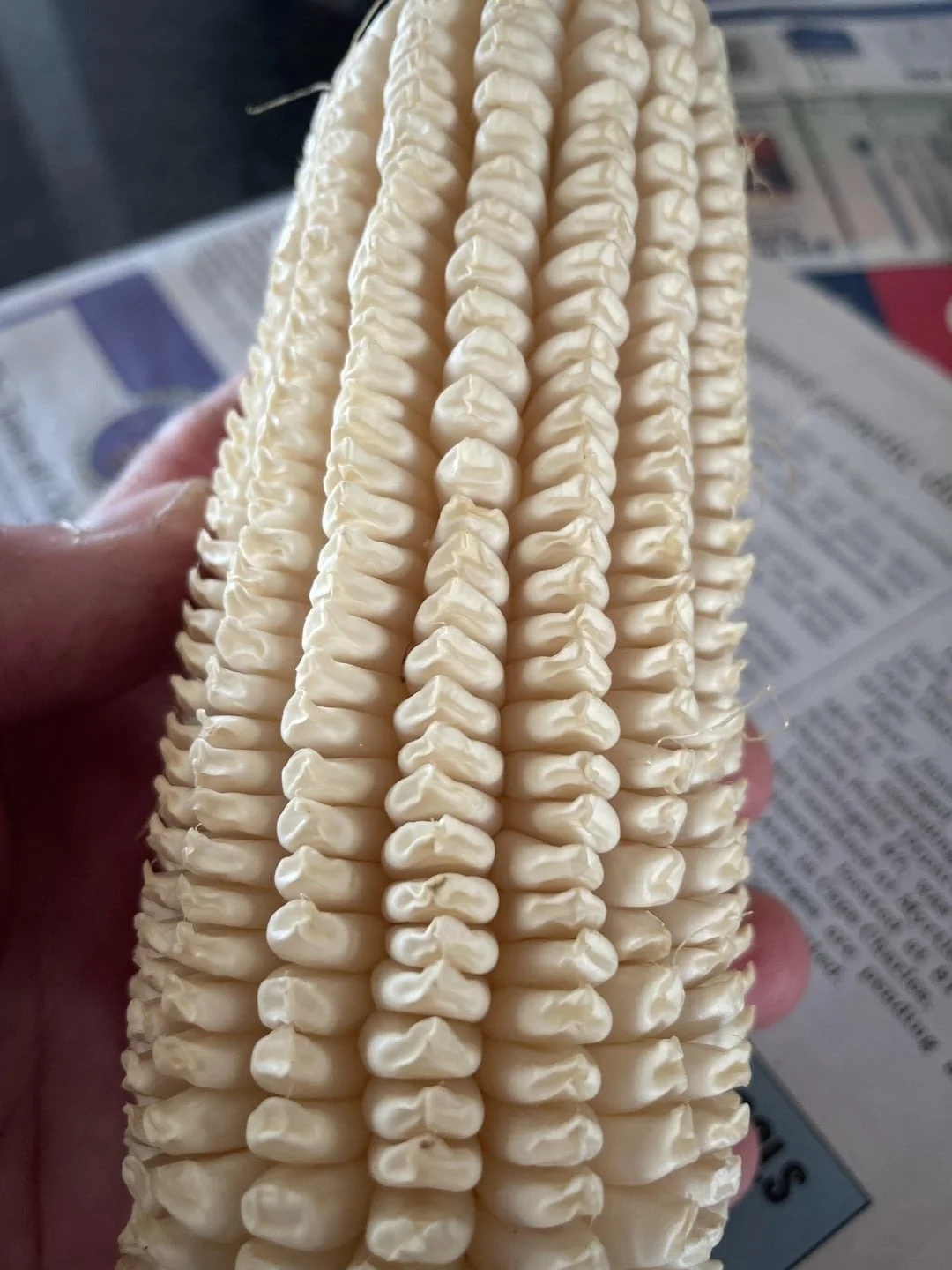 Image 2 of 2
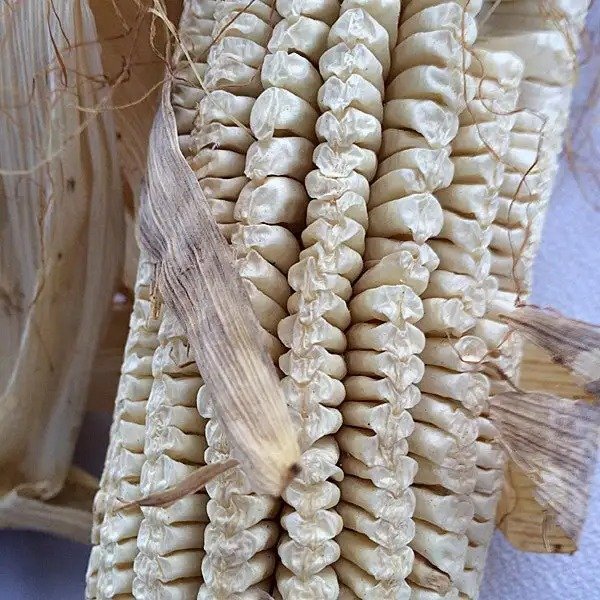
A traditional indigenous heirloom corn sometimes known as “ Iroquois Tooth Corn” for its distinctive long, slightly pointed kernels, tapered like small teeth along the cob. This form is characteristic of several ancestral Iroquoian gourdseed/shoepeg dents originating in Mexico grown across what is now Western New York and the Great Lakes region prior to and long after European contact. Many Eastern Woodland nations once had this old corn and northern versions are pretty rare.
For centuries, this corn has been central to corn soup, hominy, corn bread, and ceremonial foods among the Haudenosaunee (Iroquois Confederacy)—Peoples including the Seneca, Cayuga, Onondaga, Oneida, Mohawk, and Tuscarora. The grain is traditionally nixtamalized, a process using an alkaline solution (often wood ash lye) that enhances nutrition, softens the kernel, and releases the deep, sweet aroma that marks this corn as a staple of longhouse cooking and winter sustenance.
The plants are tall, reaching 8–12 feet in fertile soils, with strong stalks capable of supporting climbing beans. Around 100 days for maturity, but this varies depending on climate.
The kernels are firm, starchy, and richly flavored, producing a smooth meal when stone-ground, and holding their shape beautifully in slow-simmered stews. This particular corn is ONE OF THE BEST for baking!
Days to maturity: 100–115 (grain stage)
Seeds per pack: ~50 seeds
Germination rate: 90% (tested 12/19/2024)
Plant when soil has fully warmed in late spring. Sow 1 inch deep, spacing seeds 8–12 inches apart, with rows or blocks to ensure proper wind pollination. Provide full sun, fertile soil, and consistent moisture. This is a tall, strong variety, and performs best when planted in blocks rather than long single rows.
For culinary use, harvest when the ears have fully matured and dried. For fresh “milk stage” roasting, harvest earlier but allow representative ears to fully ripen for continued seed saving.
Corn is wind-pollinated. Isolate by at least ¼–½ mile (or time-isolate) from other Zea mays to preserve color and type. Select uniform, deeply blue, well-filled ears; dry on the plant until husks are papery, then finish curing indoors if needed. Shell carefully and store cool, dark, and dry. Freezing dry seed is preferred. Properly stored seed remains viable ~3–5 years in a cool, dark and dry location. Frozen seed can last for 10+ years.
A traditional indigenous heirloom corn sometimes known as “ Iroquois Tooth Corn” for its distinctive long, slightly pointed kernels, tapered like small teeth along the cob. This form is characteristic of several ancestral Iroquoian gourdseed/shoepeg dents originating in Mexico grown across what is now Western New York and the Great Lakes region prior to and long after European contact. Many Eastern Woodland nations once had this old corn and northern versions are pretty rare.
For centuries, this corn has been central to corn soup, hominy, corn bread, and ceremonial foods among the Haudenosaunee (Iroquois Confederacy)—Peoples including the Seneca, Cayuga, Onondaga, Oneida, Mohawk, and Tuscarora. The grain is traditionally nixtamalized, a process using an alkaline solution (often wood ash lye) that enhances nutrition, softens the kernel, and releases the deep, sweet aroma that marks this corn as a staple of longhouse cooking and winter sustenance.
The plants are tall, reaching 8–12 feet in fertile soils, with strong stalks capable of supporting climbing beans. Around 100 days for maturity, but this varies depending on climate.
The kernels are firm, starchy, and richly flavored, producing a smooth meal when stone-ground, and holding their shape beautifully in slow-simmered stews. This particular corn is ONE OF THE BEST for baking!
Days to maturity: 100–115 (grain stage)
Seeds per pack: ~50 seeds
Germination rate: 90% (tested 12/19/2024)
Plant when soil has fully warmed in late spring. Sow 1 inch deep, spacing seeds 8–12 inches apart, with rows or blocks to ensure proper wind pollination. Provide full sun, fertile soil, and consistent moisture. This is a tall, strong variety, and performs best when planted in blocks rather than long single rows.
For culinary use, harvest when the ears have fully matured and dried. For fresh “milk stage” roasting, harvest earlier but allow representative ears to fully ripen for continued seed saving.
Corn is wind-pollinated. Isolate by at least ¼–½ mile (or time-isolate) from other Zea mays to preserve color and type. Select uniform, deeply blue, well-filled ears; dry on the plant until husks are papery, then finish curing indoors if needed. Shell carefully and store cool, dark, and dry. Freezing dry seed is preferred. Properly stored seed remains viable ~3–5 years in a cool, dark and dry location. Frozen seed can last for 10+ years.