 Image 1 of 2
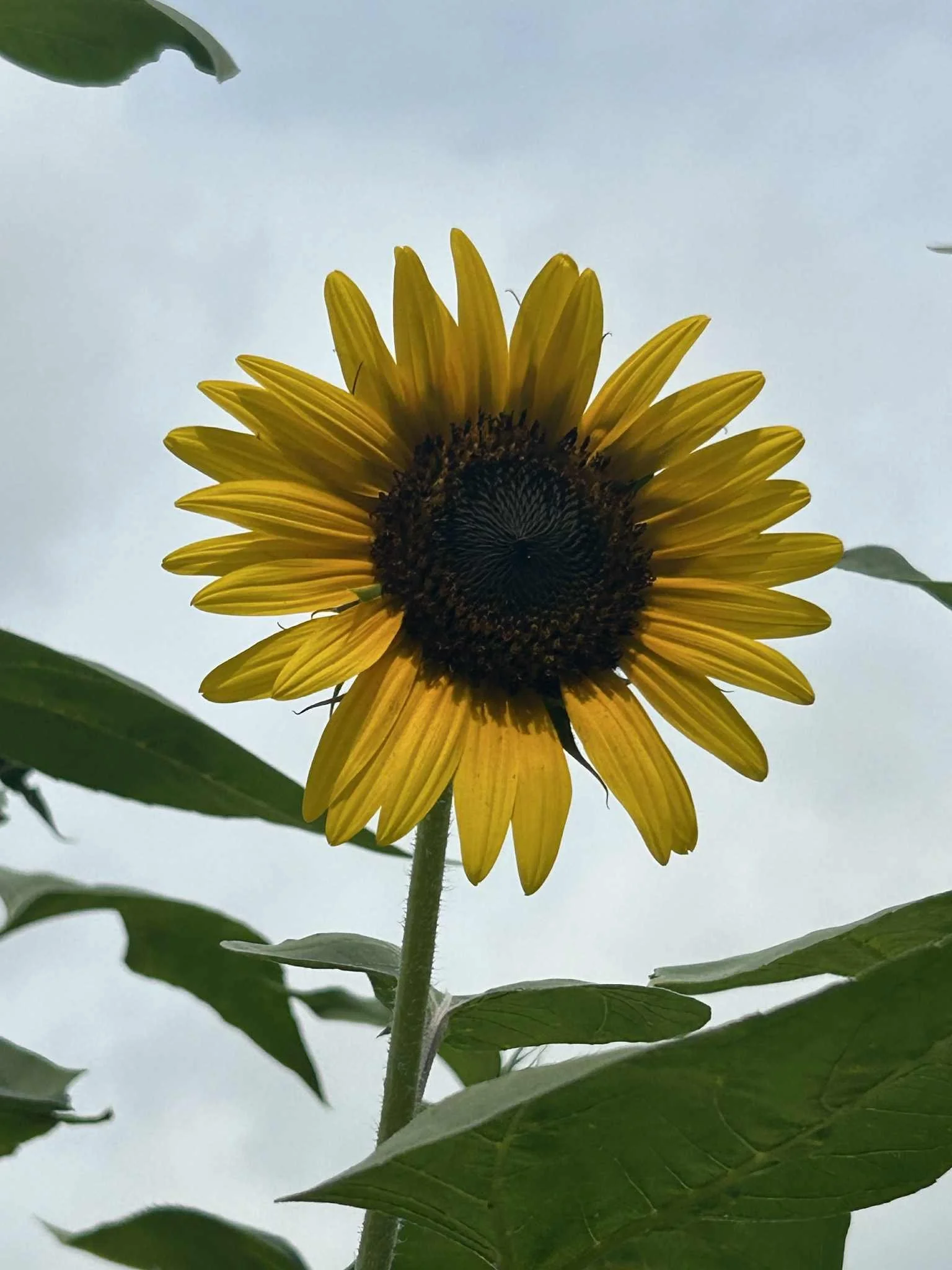 Image 2 of 2
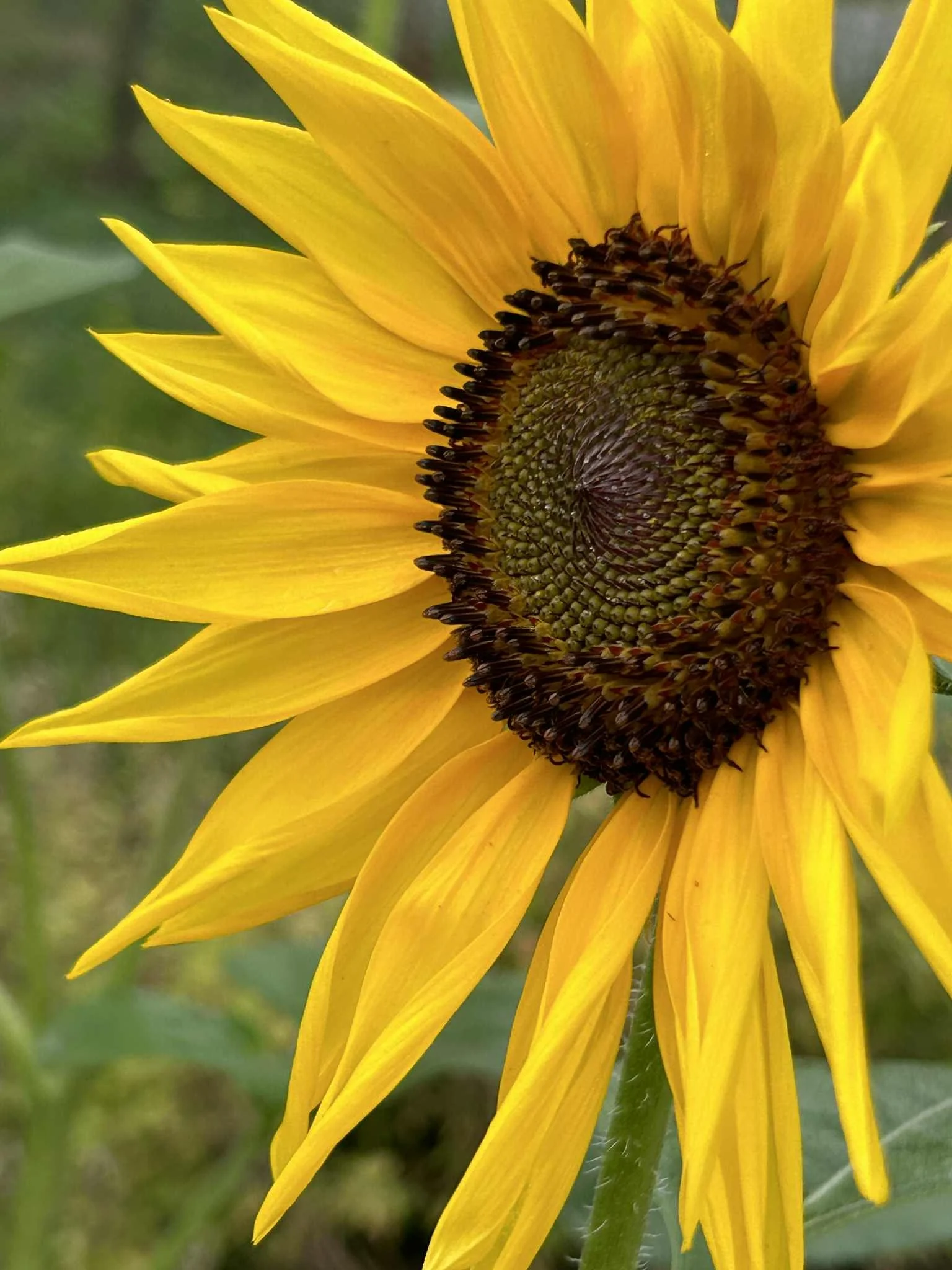
This is the wild, undomesticated ancestor of the modern sunflower—tall, branching, and radiant, grown for thousands of years across the Great Plains and Eastern Woodlands. Before large single-headed sunflowers were selected for oil and seed size, Indigenous farmers tended and encouraged this wild form, gathering its abundant small seeds for food, flour, and pressed oils.
Archaeobotanical evidence places the domestication of sunflowers in eastern North America at least 4,000–5,000 years ago, making it one of the original domesticated crops of this continent, alongside sumpweed, chenopodium, and goosefoot. Over time, certain wild populations were tended, encouraged, and re-sown in association with seasonal camps, trade routes, and river valleys, gradually giving rise to the larger-seeded forms we know today.
This wild type retains the traits of its ancient lineage:
Multiple branching stems bearing dozens of blooms
Small, nutritious black seeds high in oils and protein
Flowers that feed pollinators, birds, beneficial insects
Deep taproots that stabilize soil and withstand drought
It is both food plant and ecological companion. Goldfinches, chickadees, and native bees rely on it heavily when other resources are scarce.
In the garden, it grows tall and proud, often reaching 6–10 feet, moving with the wind like a golden banner in late summer.
Days to maturity: 70–95
Seeds per pack: ~1tsp.
Germination rate: 90% 10/15/2025
Direct-sow once frost has passed and soil has warmed. Plant seeds ½ inch deep and space 12–18 inches apart, allowing full sun and open air flow. Wild sunflowers thrive in heat, drought, and poor soils, though richer ground will produce taller and more floriferous plants. Seeds often benefit from being scattered and then disturbed.
Expect branching plants with dozens of blooms. For cut flowers, harvest just as petals begin to unfold.
If allowing for wildlife support, let seed heads stand—songbirds will thank you.
Sunflowers are insect-pollinated, and wild stands readily cross with ornamental or oilseed types. If maintaining pure wild traits is your goal:
Grow only wild sunflowers in that year, or
Isolate by 300–800 feet, if possible, or
Bag and hand-pollinate selected seed heads.
Harvest when heads dry and back petals turn papery. Allow to finish curing in a well-ventilated place. Store seed in a cool, dark, dry location. Viable for 3–5 years.
This is the wild, undomesticated ancestor of the modern sunflower—tall, branching, and radiant, grown for thousands of years across the Great Plains and Eastern Woodlands. Before large single-headed sunflowers were selected for oil and seed size, Indigenous farmers tended and encouraged this wild form, gathering its abundant small seeds for food, flour, and pressed oils.
Archaeobotanical evidence places the domestication of sunflowers in eastern North America at least 4,000–5,000 years ago, making it one of the original domesticated crops of this continent, alongside sumpweed, chenopodium, and goosefoot. Over time, certain wild populations were tended, encouraged, and re-sown in association with seasonal camps, trade routes, and river valleys, gradually giving rise to the larger-seeded forms we know today.
This wild type retains the traits of its ancient lineage:
Multiple branching stems bearing dozens of blooms
Small, nutritious black seeds high in oils and protein
Flowers that feed pollinators, birds, beneficial insects
Deep taproots that stabilize soil and withstand drought
It is both food plant and ecological companion. Goldfinches, chickadees, and native bees rely on it heavily when other resources are scarce.
In the garden, it grows tall and proud, often reaching 6–10 feet, moving with the wind like a golden banner in late summer.
Days to maturity: 70–95
Seeds per pack: ~1tsp.
Germination rate: 90% 10/15/2025
Direct-sow once frost has passed and soil has warmed. Plant seeds ½ inch deep and space 12–18 inches apart, allowing full sun and open air flow. Wild sunflowers thrive in heat, drought, and poor soils, though richer ground will produce taller and more floriferous plants. Seeds often benefit from being scattered and then disturbed.
Expect branching plants with dozens of blooms. For cut flowers, harvest just as petals begin to unfold.
If allowing for wildlife support, let seed heads stand—songbirds will thank you.
Sunflowers are insect-pollinated, and wild stands readily cross with ornamental or oilseed types. If maintaining pure wild traits is your goal:
Grow only wild sunflowers in that year, or
Isolate by 300–800 feet, if possible, or
Bag and hand-pollinate selected seed heads.
Harvest when heads dry and back petals turn papery. Allow to finish curing in a well-ventilated place. Store seed in a cool, dark, dry location. Viable for 3–5 years.