 Image 1 of 3
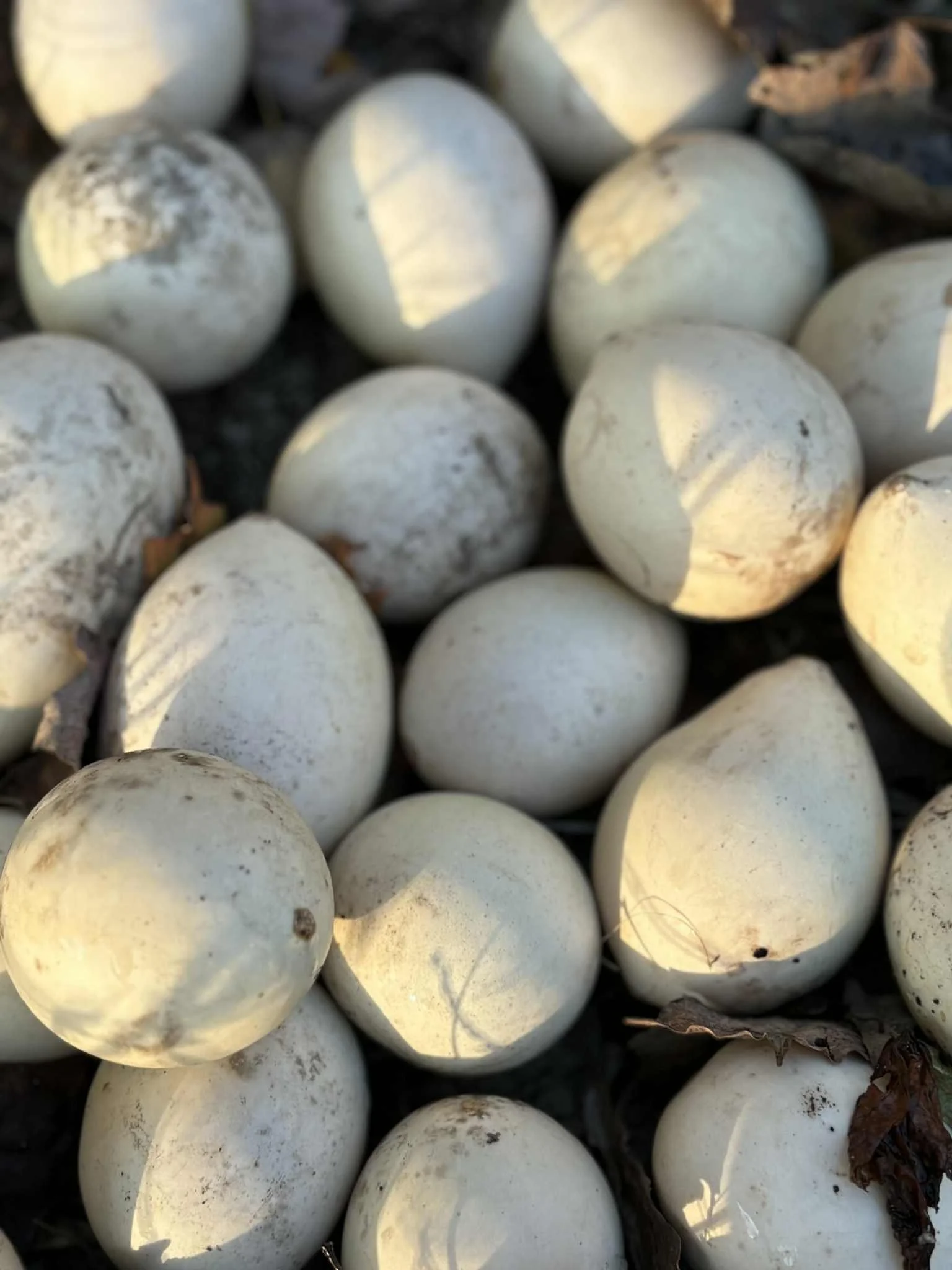 Image 2 of 3
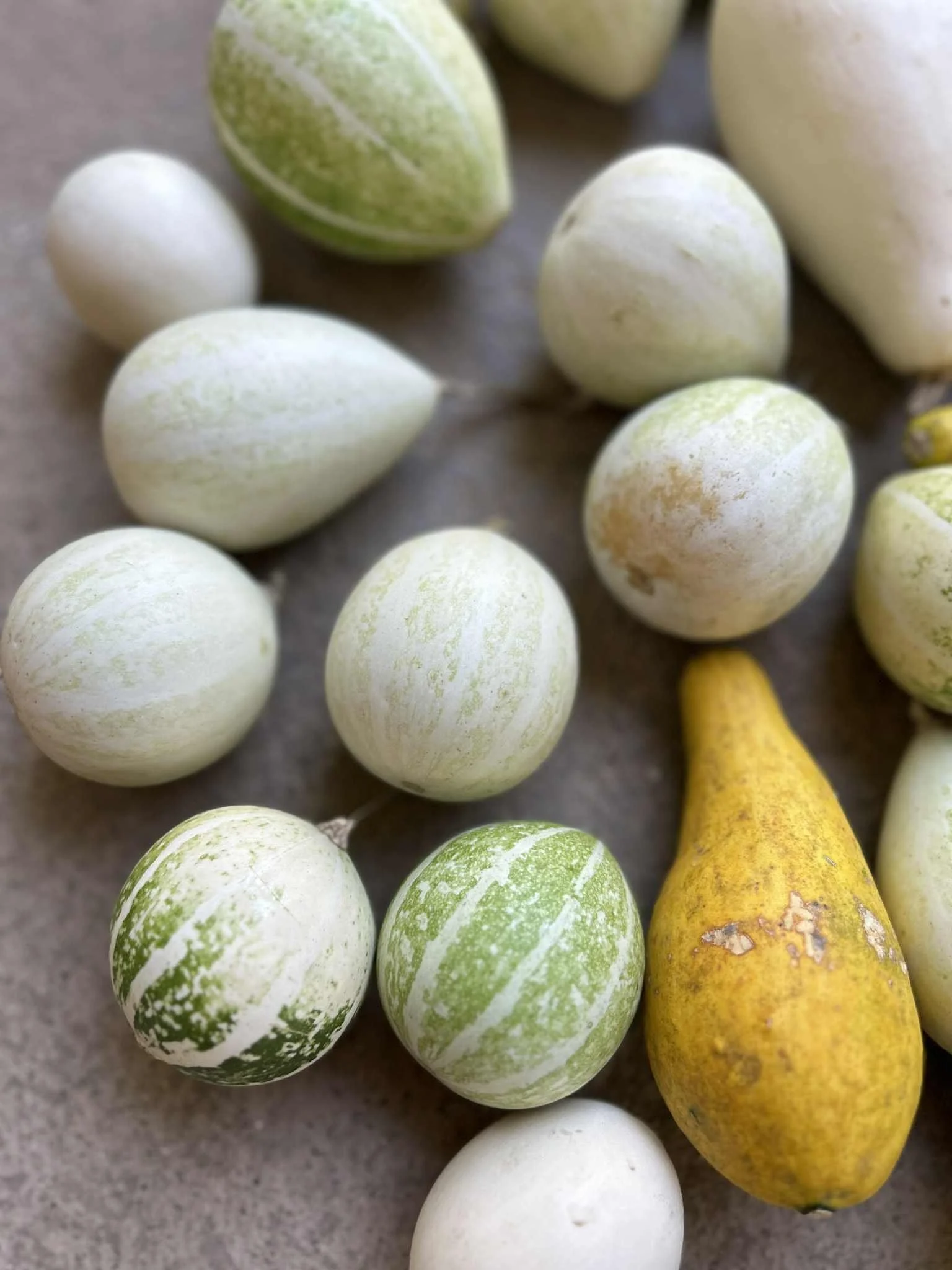 Image 3 of 3
Cucurbita pepo subsp. ozarkana
This rare squash represents a living remnant of the ancient Eastern North American agricultural tradition. Known botanically as Cucurbita pepo subsp. ozarkana, this wild-to-semi-domesticated lineage is considered one of the ancestral forms that contributed to the domestication of Cucurbita pepo — the species that would eventually give rise to pumpkins, zucchini, acorn squash, and many others.
This particular strain comes from the West Fork Red River floodplains in Montgomery County, Tennessee, where it has persisted for generations in small pockets of riverbottom and field edge habitat. The region sits within the larger Ozark / Eastern Woodlands ecological corridor, where this type of squash was once tended, encouraged, and occasionally selected by Indigenous peoples long before European arrival.
Unlike fully domesticated squashes, the Wild Ozark type retains many ancestral traits:
Vining growth with strong runners capable of sprawling wide distances
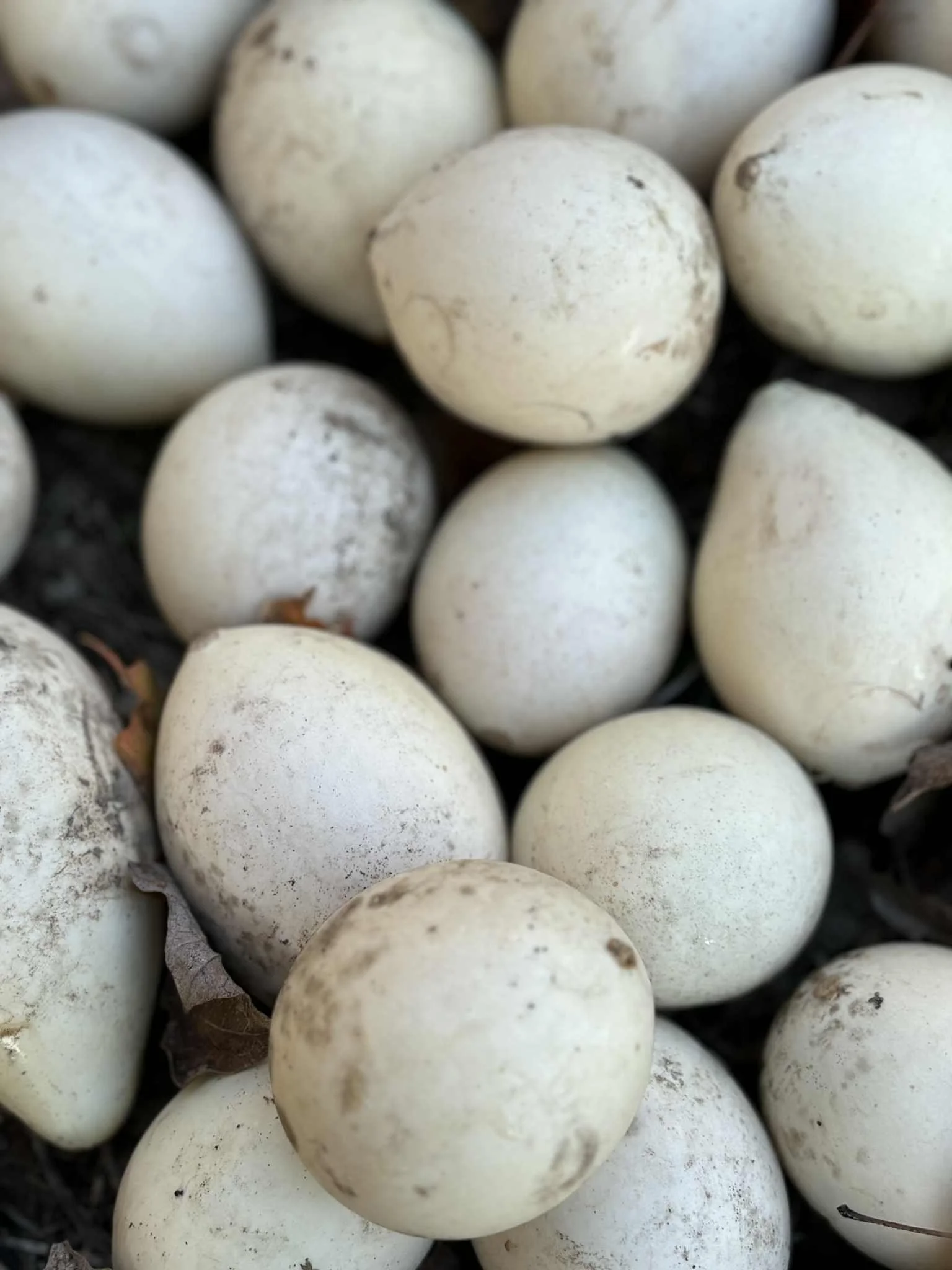
Small to medium, hard-rinded fruits that cure and store exceptionally well
Dense seeds valued historically for oil, roasting, and meal.
Ethnobotanical evidence suggests that squashes like this were originally valued less for their flesh and more for their seeds, which were nutritious, high in oils and protein, and could be stored through the winter.
Most fruits are bitter, but selection could help this. Seeds can be roasted and eaten. The bitter flesh/juice is foamy and could be useful in soaps, etc.
Species: Cucurbita pepo subsp. ozarkana
Days to maturity: ~95–115 (depending on season length)
Seeds per pack: ~25 seeds
Germination rate: 94% (10/15/2025)
Plant after danger of frost when soil has warmed. Provide ample room for vining — trellising is possible, but traditional ground-sprawl is ideal. Sow seeds 1 inch deep, spacing 3–4 feet between plants, or plant in hills. Thrives in floodplain loam, compost-rich garden beds, and open sun.
Fruits should be fully cured for storage: allow the rind to harden and the stem to dry before bringing indoors. Properly cured fruits can store months.
Squash are insect-pollinated, and C. pepo crosses readily with other C. pepo types (zucchini, acorn, pie pumpkin, delicata, etc.).
To maintain genetic integrity:
Grow this as your only pepo squash, or
Hand-pollinate and bag blossoms, or
Ensure at least ½ mile isolation from other pepo varieties.
Select fruits with:
Firm rinds
Strong seed set
Good long storage behavior
Strong, healthy vines with drought and pest tolerance
Allow seeds to dry fully before storage. Properly stored seed remains viable for 4–6 years.
Cucurbita pepo subsp. ozarkana
This rare squash represents a living remnant of the ancient Eastern North American agricultural tradition. Known botanically as Cucurbita pepo subsp. ozarkana, this wild-to-semi-domesticated lineage is considered one of the ancestral forms that contributed to the domestication of Cucurbita pepo — the species that would eventually give rise to pumpkins, zucchini, acorn squash, and many others.
This particular strain comes from the West Fork Red River floodplains in Montgomery County, Tennessee, where it has persisted for generations in small pockets of riverbottom and field edge habitat. The region sits within the larger Ozark / Eastern Woodlands ecological corridor, where this type of squash was once tended, encouraged, and occasionally selected by Indigenous peoples long before European arrival.
Unlike fully domesticated squashes, the Wild Ozark type retains many ancestral traits:
Vining growth with strong runners capable of sprawling wide distances
Small to medium, hard-rinded fruits that cure and store exceptionally well
Dense seeds valued historically for oil, roasting, and meal.
Ethnobotanical evidence suggests that squashes like this were originally valued less for their flesh and more for their seeds, which were nutritious, high in oils and protein, and could be stored through the winter.
Most fruits are bitter, but selection could help this. Seeds can be roasted and eaten. The bitter flesh/juice is foamy and could be useful in soaps, etc.
Species: Cucurbita pepo subsp. ozarkana
Days to maturity: ~95–115 (depending on season length)
Seeds per pack: ~25 seeds
Germination rate: 94% (10/15/2025)
Plant after danger of frost when soil has warmed. Provide ample room for vining — trellising is possible, but traditional ground-sprawl is ideal. Sow seeds 1 inch deep, spacing 3–4 feet between plants, or plant in hills. Thrives in floodplain loam, compost-rich garden beds, and open sun.
Fruits should be fully cured for storage: allow the rind to harden and the stem to dry before bringing indoors. Properly cured fruits can store months.
Squash are insect-pollinated, and C. pepo crosses readily with other C. pepo types (zucchini, acorn, pie pumpkin, delicata, etc.).
To maintain genetic integrity:
Grow this as your only pepo squash, or
Hand-pollinate and bag blossoms, or
Ensure at least ½ mile isolation from other pepo varieties.
Select fruits with:
Firm rinds
Strong seed set
Good long storage behavior
Strong, healthy vines with drought and pest tolerance
Allow seeds to dry fully before storage. Properly stored seed remains viable for 4–6 years.