 Image 1 of 3
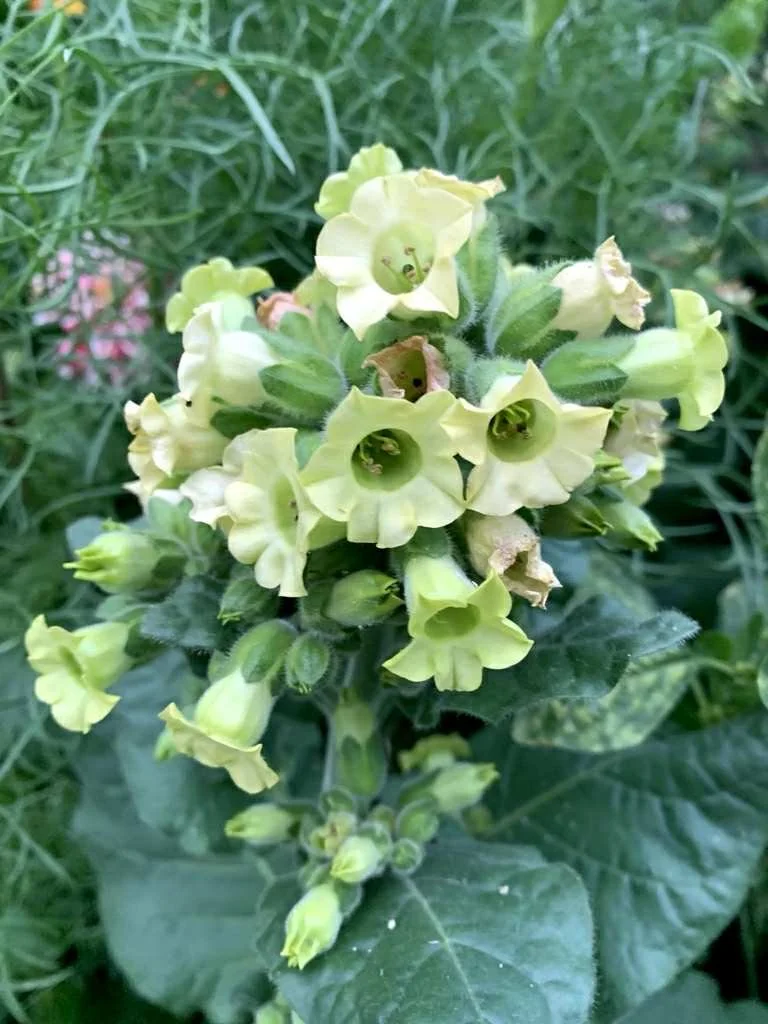 Image 2 of 3
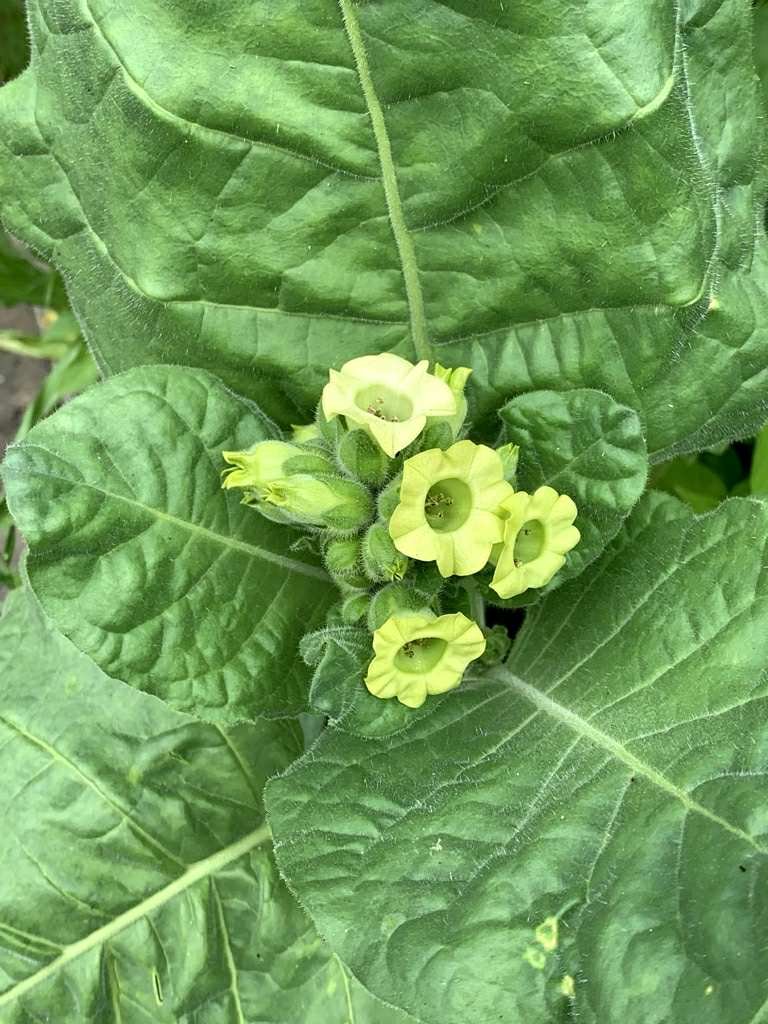 Image 3 of 3
A potent and historically significant variety of rustica tobacco, Wild Aztec (also called Aztec Tobacco or Sacred Rustica) hails from the highlands of Mexico and the Andean region, and was widely cultivated by Indigenous peoples across the Americas for ceremonial, medicinal, and ecological uses.
The botanical origins trace to northern South America—Bolivia, Peru and Ecuador—then migrating northward through trade and cultivation to Mesoamerica and beyond. In Mexico it was known as “mapacho” and used by Maya, Aztec and other Indigenous cultures in offerings, smoke rituals, incense‐blend use, and as a master plant among medicine‐keepers. Today this variety appears in seed catalogs under names like “Wild / Sacred Rustica Tobacco (Aztec).”
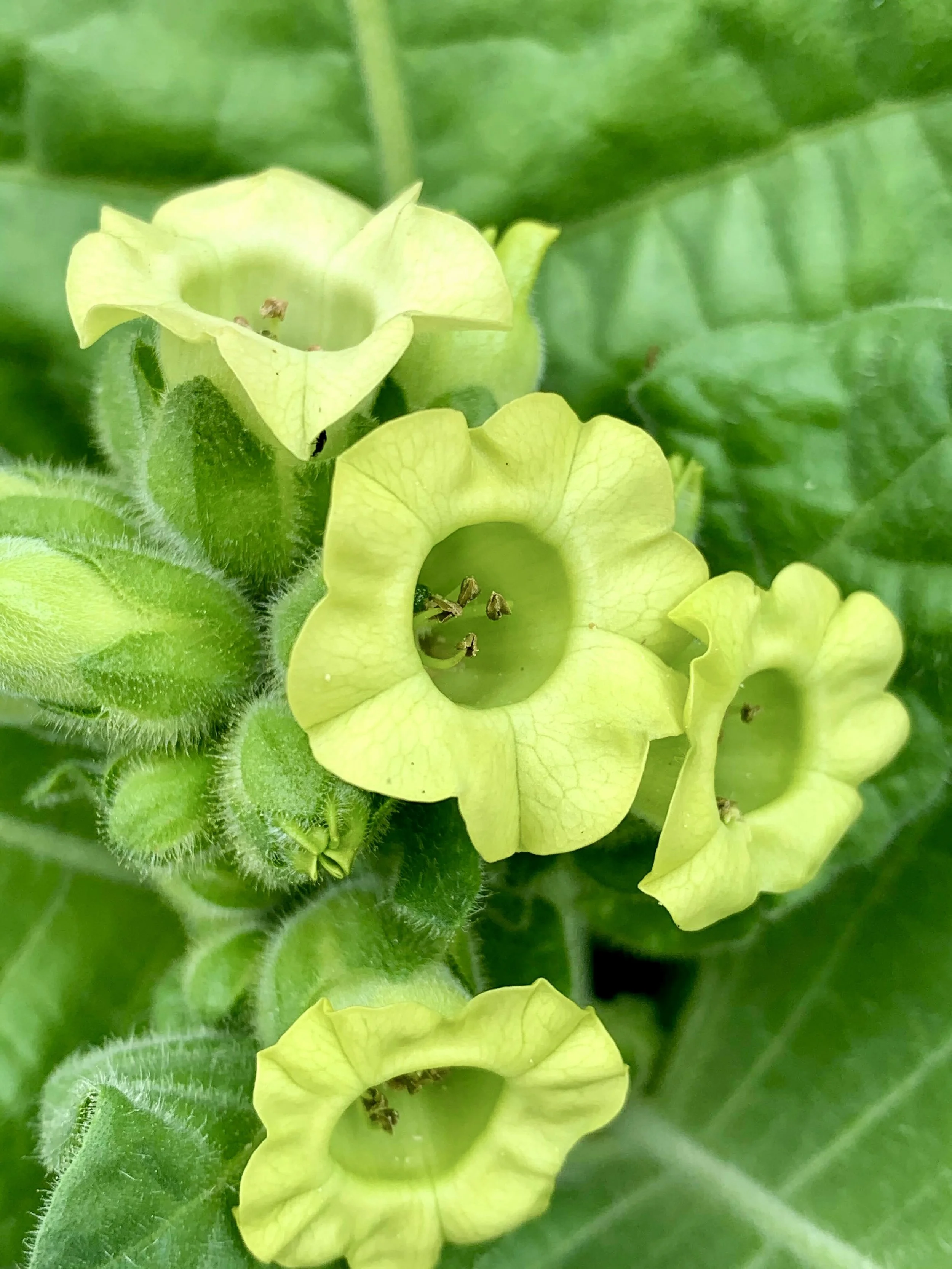
The plants reach approximately 2–3 feet (or up to about 90 cm) in height when cultivated, with thick, broad leaves and intense yellow inflorescences. Their high nicotine content made them historically used for arrow poison, pest control, and as ritual inhalants or snuffs among certain traditions.
Important disclaimers:
This is Nicotiana rustica, not the commercial tobacco species Nicotiana tabacum; its nicotine content is significantly higher and carries strong physiological effects.
This listing and description are offered strictly for seed preservation, ethnobotanical cultivation, ornamental use or companion planting. It is not promoting recreational smoking or misuse of the plant.
Growing or processing tobacco may be subject to local, state or federal regulation. Always verify your legal status before cultivating.
Use of this plant for smoking, snuff, or ingestion carries health risks; this entry is not medical advice.
Days to maturity: ~60-80 days from transplant (typical for rustica under favorable warm conditions)
Seeds per pack: ~1/8tsp of many, many small seeds
Germination rate: 92% 10/15/2025
Start seeds indoors in early spring; seeds must remain on the soil surface and are lightly misted (they require light to germinate). Transplant into full sun after the last frost. Space plants 18–24 inches apart in rich, well-drained soil. Because of their robust growth and pest‐deterrent properties, they can serve as companion plants. They bloom with yellow flowers, attract pollinators, and are vigorous in conditions where tabacum may struggle. Go Botany+1
Seed-Saving Notes
Rustica tobacco is open‐pollinated and primarily insect‐ and wind‐fertilized. To maintain varietal integrity, isolate at least ¼-mile from other tobacco varieties (especially other rustica or tabacum types) or use temporal separation of flowering. Select plants with typical dark green broad leaves and healthy form, allow seed capsules to mature fully until brown and dry on the plant, then finish drying in a ventilated indoor area. Shell seeds carefully and store in cool, dark, dry conditions. Properly stored seed remains viable for 2-3 years or more.
A potent and historically significant variety of rustica tobacco, Wild Aztec (also called Aztec Tobacco or Sacred Rustica) hails from the highlands of Mexico and the Andean region, and was widely cultivated by Indigenous peoples across the Americas for ceremonial, medicinal, and ecological uses.
The botanical origins trace to northern South America—Bolivia, Peru and Ecuador—then migrating northward through trade and cultivation to Mesoamerica and beyond. In Mexico it was known as “mapacho” and used by Maya, Aztec and other Indigenous cultures in offerings, smoke rituals, incense‐blend use, and as a master plant among medicine‐keepers. Today this variety appears in seed catalogs under names like “Wild / Sacred Rustica Tobacco (Aztec).”
The plants reach approximately 2–3 feet (or up to about 90 cm) in height when cultivated, with thick, broad leaves and intense yellow inflorescences. Their high nicotine content made them historically used for arrow poison, pest control, and as ritual inhalants or snuffs among certain traditions.
Important disclaimers:
This is Nicotiana rustica, not the commercial tobacco species Nicotiana tabacum; its nicotine content is significantly higher and carries strong physiological effects.
This listing and description are offered strictly for seed preservation, ethnobotanical cultivation, ornamental use or companion planting. It is not promoting recreational smoking or misuse of the plant.
Growing or processing tobacco may be subject to local, state or federal regulation. Always verify your legal status before cultivating.
Use of this plant for smoking, snuff, or ingestion carries health risks; this entry is not medical advice.
Days to maturity: ~60-80 days from transplant (typical for rustica under favorable warm conditions)
Seeds per pack: ~1/8tsp of many, many small seeds
Germination rate: 92% 10/15/2025
Start seeds indoors in early spring; seeds must remain on the soil surface and are lightly misted (they require light to germinate). Transplant into full sun after the last frost. Space plants 18–24 inches apart in rich, well-drained soil. Because of their robust growth and pest‐deterrent properties, they can serve as companion plants. They bloom with yellow flowers, attract pollinators, and are vigorous in conditions where tabacum may struggle. Go Botany+1
Seed-Saving Notes
Rustica tobacco is open‐pollinated and primarily insect‐ and wind‐fertilized. To maintain varietal integrity, isolate at least ¼-mile from other tobacco varieties (especially other rustica or tabacum types) or use temporal separation of flowering. Select plants with typical dark green broad leaves and healthy form, allow seed capsules to mature fully until brown and dry on the plant, then finish drying in a ventilated indoor area. Shell seeds carefully and store in cool, dark, dry conditions. Properly stored seed remains viable for 2-3 years or more.