 Image 1 of 3
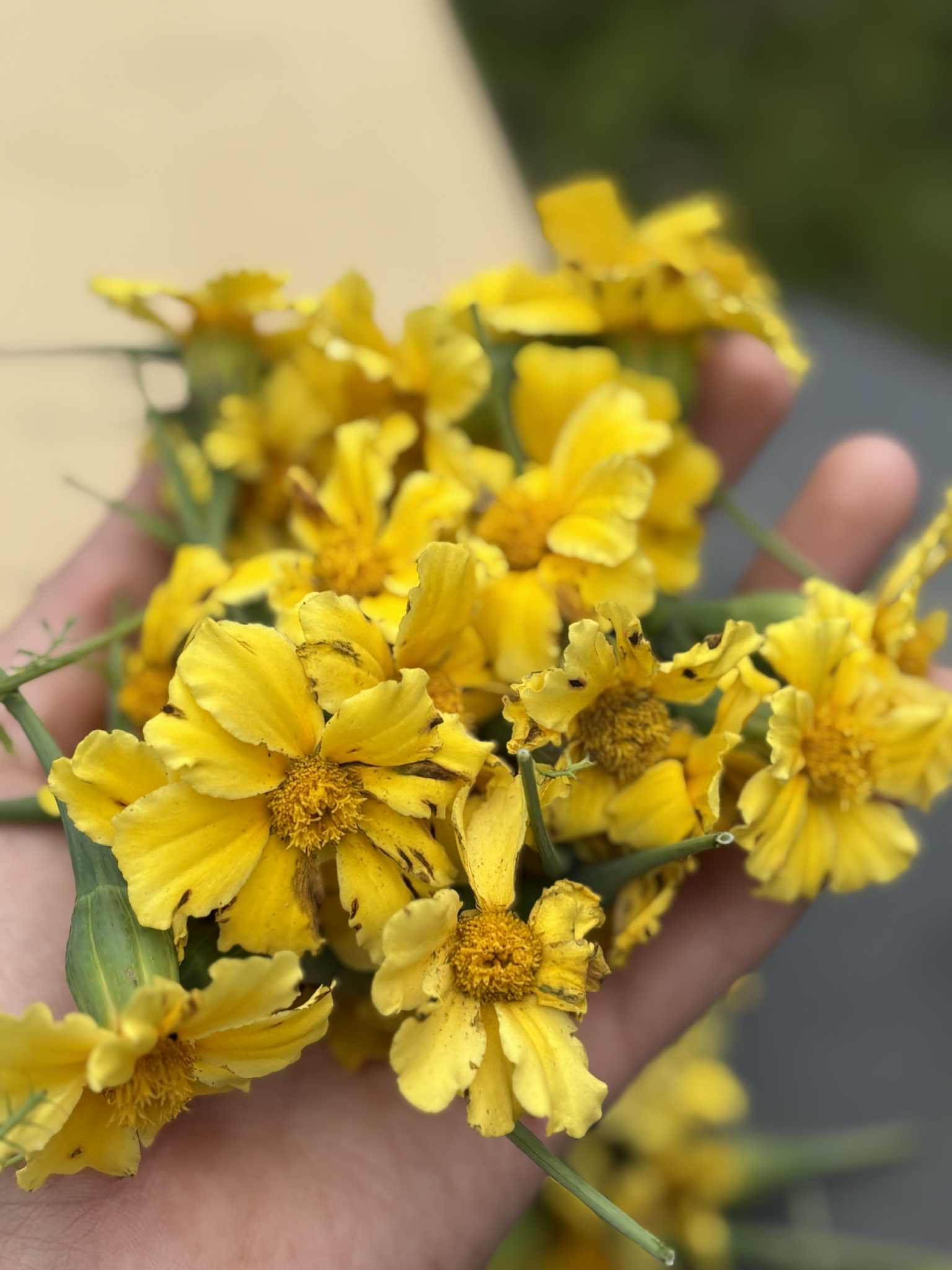 Image 2 of 3
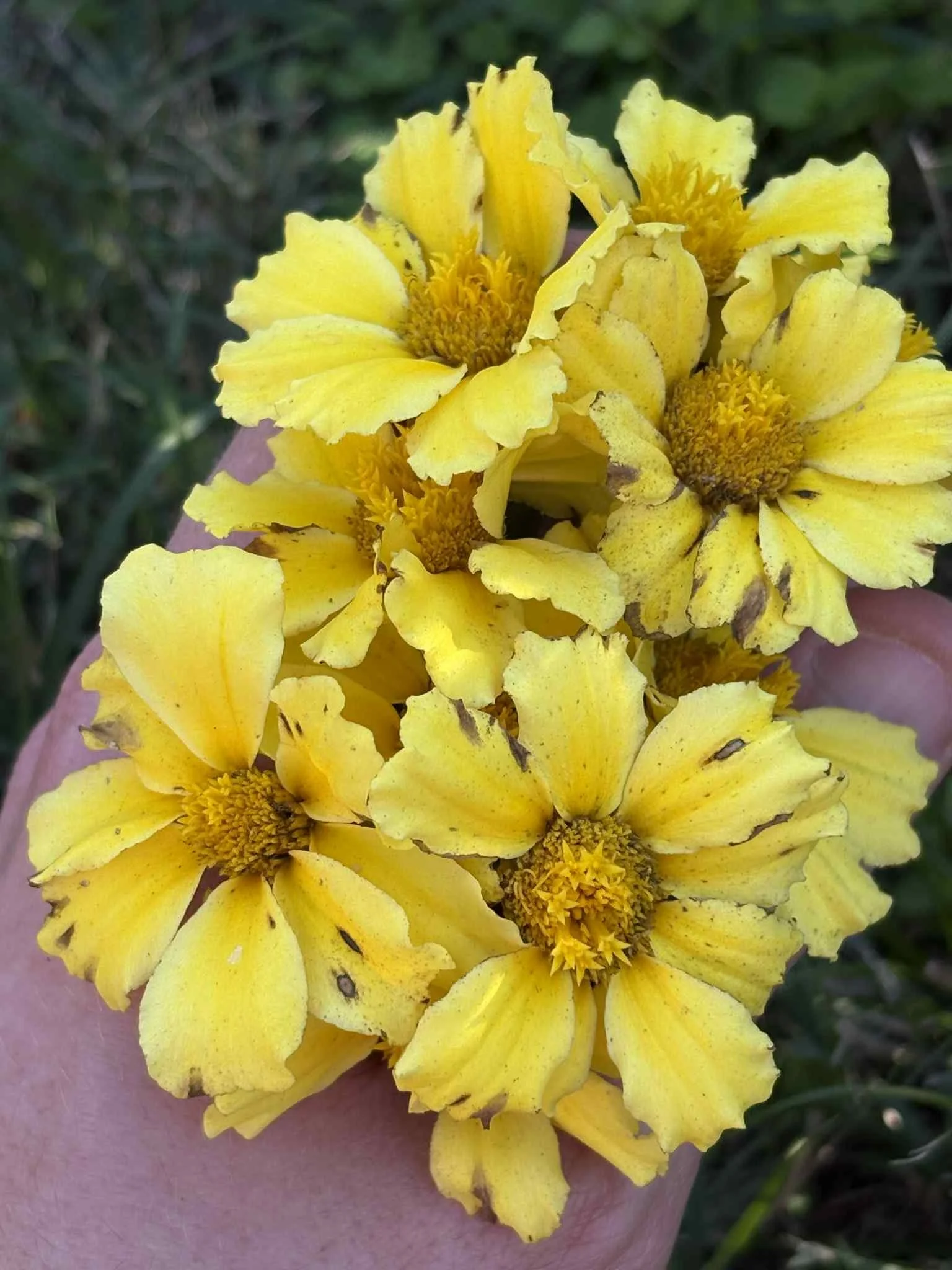 Image 3 of 3
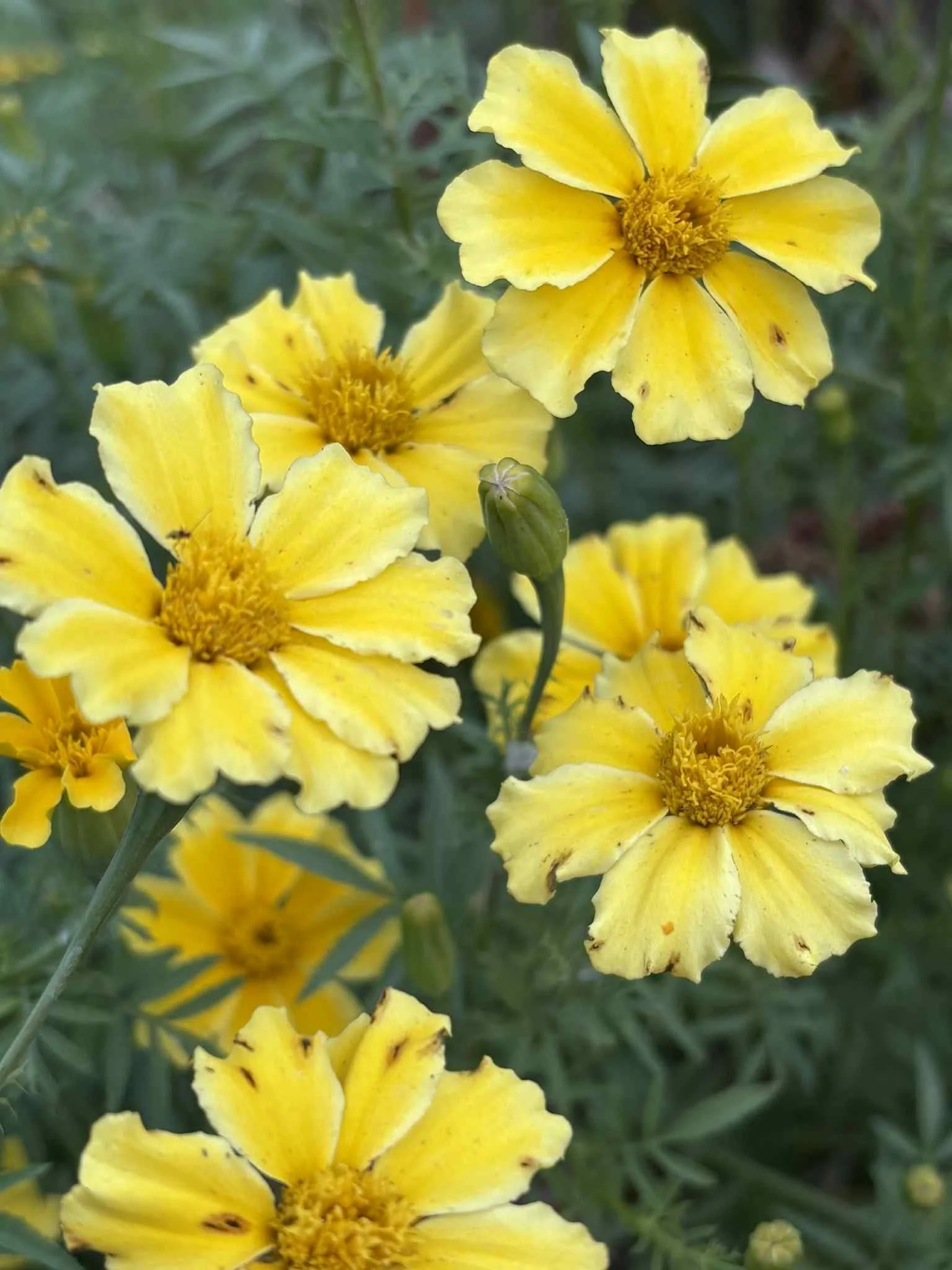
Towering at five to six feet in height, this is a true Oaxacan Cempasúchil! This different species is an amazing luminous presence in any garden—bearing tall, upright stems topped with hundreds of single golden blooms. These rare, lemon-scented yet powerfully aromatic marigolds are rarely seen today. Their petals are a vibrant, sunlit yellow—pure and unblended—and their scent, stronger and sharper than common marigolds, fills the air with a sacred brightness.
For countless generations, the Cempasúchil has held deep spiritual and cultural significance throughout Mesoamerica. In pre-Columbian times, the flower was associated with the sun and with the souls of the departed—its golden light believed to guide spirits safely across the threshold between worlds. Today, it remains the central flower of Día de los Muertos (Day of the Dead) altars and offerings, symbolizing remembrance, love, and the eternal cycle of life and death.
I acquired this landrace in 2018 from a couple out in Washington State who was given it by traditional Oaxaca seedkeepers. They continued the traditional practice of planting Cempasúchil beside milpas and along household pathways, ensuring the spirits can find their way home.
Days to maturity: 100–120
Seeds per pack: ~60 or more
Germination rate: 90% (10/15/2025)
Sow seeds directly after frost in full sun, or start indoors 4–6 weeks early for transplanting once soil has warmed. Plant ¼ inch deep in well-drained soil. Space 12–18 inches apart to allow for their impressive height and branching habit. Tagetes elongata thrives in poor to average soil and blooms from midsummer until frost. The petals are traditionally used for altar decoration, natural dye, and ceremonial baths.
Allow flower heads to remain on the plant until they begin to dry naturally—or harvest when petals start to brown, as the seeds continue maturing inside the fading bloom. Once the flower heads are fully dry and crisp, remove and gently break them apart to release the slender, arrow-like seeds. Store in a cool, dry place away from humidity and direct sunlight. To maintain genetic integrity and prevent cross-pollination, isolate different marigold species by at least 500 feet, or grow T. elongata as the sole marigold species in your garden.
Properly dried and stored seed remains viable for three to four years.
Towering at five to six feet in height, this is a true Oaxacan Cempasúchil! This different species is an amazing luminous presence in any garden—bearing tall, upright stems topped with hundreds of single golden blooms. These rare, lemon-scented yet powerfully aromatic marigolds are rarely seen today. Their petals are a vibrant, sunlit yellow—pure and unblended—and their scent, stronger and sharper than common marigolds, fills the air with a sacred brightness.
For countless generations, the Cempasúchil has held deep spiritual and cultural significance throughout Mesoamerica. In pre-Columbian times, the flower was associated with the sun and with the souls of the departed—its golden light believed to guide spirits safely across the threshold between worlds. Today, it remains the central flower of Día de los Muertos (Day of the Dead) altars and offerings, symbolizing remembrance, love, and the eternal cycle of life and death.
I acquired this landrace in 2018 from a couple out in Washington State who was given it by traditional Oaxaca seedkeepers. They continued the traditional practice of planting Cempasúchil beside milpas and along household pathways, ensuring the spirits can find their way home.
Days to maturity: 100–120
Seeds per pack: ~60 or more
Germination rate: 90% (10/15/2025)
Sow seeds directly after frost in full sun, or start indoors 4–6 weeks early for transplanting once soil has warmed. Plant ¼ inch deep in well-drained soil. Space 12–18 inches apart to allow for their impressive height and branching habit. Tagetes elongata thrives in poor to average soil and blooms from midsummer until frost. The petals are traditionally used for altar decoration, natural dye, and ceremonial baths.
Allow flower heads to remain on the plant until they begin to dry naturally—or harvest when petals start to brown, as the seeds continue maturing inside the fading bloom. Once the flower heads are fully dry and crisp, remove and gently break them apart to release the slender, arrow-like seeds. Store in a cool, dry place away from humidity and direct sunlight. To maintain genetic integrity and prevent cross-pollination, isolate different marigold species by at least 500 feet, or grow T. elongata as the sole marigold species in your garden.
Properly dried and stored seed remains viable for three to four years.